
Heading to Tokyo for the first time? Start with Meiji Shrine for peaceful shrine grounds, then stroll Harajuku for street fashion and snacks. Cross Shibuya’s famous scramble and soak up neon nightlife nearby. Slow the pace at Sensō-ji, wander the Nezu Museum gardens, or grab fresh bites at Tsukiji Market. Mix iconic highlights with quieter spots to build a balanced, memorable trip.
Top Tokyo Attractions to See First
In case you’re seeing Tokyo for the initial time, start with the places that give you the city’s biggest contrast in one day.
Begin at Shibuya Crossing, where the crowd moves like a shared pulse, then pause beside Hachikō and grab a seat at Starbucks or L’Occitane Café.
After that buzz, head to Meiji Shrine and Yoyogi Park, where quiet paths help you breathe and settle in.
Next, make your way to Tsukiji Outer Market for fresh sushi, tamago sando, and tempura bowls that feel welcoming and easy.
Then end in Asakusa at Sensō-ji, where Nakamise Street gives you snacks, color, and a warm initial taste of old Tokyo.
These stops help you feel the city fast, and you’ll fit right in.
Spend a Morning at Meiji Shrine
Start your morning at Meiji Shrine while Tokyo is still waking up, and you’ll feel the city slow down almost at once.
At Meiji Shrine, you walk under the huge torii gate and into a quiet Shinto forest beside Harajuku. The gravel paths feel calm, and the tall trees make you feel like you belong there, even on your initial visit.
Look for sake barrels, then stop at the main hall to make a small offering. You can also watch a wedding, cleanse at the chozuya fountain, and draw an omikuji for a little luck.
Best of all, entry is free, so you can linger. After 30 minutes, head toward Yoyogi Park for a gentle walk.
Walk Harajuku’s Side Streets
Once you step off the main crush of Takeshita-dori, Harajuku opens up in a calmer, more personal way.
You can drift into Ura-Harajuku and feel the pace soften as independent boutiques, vintage racks, and quiet cafés replace the crowd.
On a Sunday afternoon, you might catch bold Harajuku styles and Lolita looks near Yoyogi Park, where local youth often gather and add energy without chaos.
From there, slide down lane after lane for street food like crepes, takoyaki, and bright sweets, all easier to enjoy away from the busiest stretch of Takeshita Street.
Should you like odd treasures, slip into character shops and small specialty stores for quirky souvenirs.
This side-street walk also works as a peaceful cut-through between Harajuku Station and Meiji Shrine, usually taking 10 to 20 minutes.
Cross Shibuya and Stay for Nightlife
Shibuya pulls you in fast, and the easiest way to feel it’s to stand beside the Hachikō statue outside Shibuya Station, then join the river of people moving across the Shibuya Scramble Crossing.
You’ll blend in quickly, and that’s the magic. For a better view, head up to the Starbucks or L’Occitane Café and watch the five-way crossing from above while you snap photos and people-watch.
After dark, come back for Shibuya nightlife, whenever neon signs glow and the street feels alive. Grab dinner at Ichiran Ramen or Sushi Daidokoya, then drift into izakayas, karaoke rooms, and small bars.
Many spots welcome groups, and some let you order unlimited drinks via phone or tablet.
Visit Asakusa and Sensō-ji Temple
Slip into Asakusa, and Tokyo suddenly feels a little older, calmer, and easier to take in.
In Asakusa, you’ll walk toward Kaminarimon, where the giant red lantern sets a warm welcome. From there, Nakamise-dori pulls you forward with snacks, small gifts, and easy energy that helps you feel like you belong.
At the end, Sensō-ji waits, Tokyo’s oldest temple, and you can join the flow with simple rituals: drop a coin, bow, wash your hands at the temizuya, and draw an omikuji slip.
Should you arrive early or on a quiet weekday, you’ll enjoy more space. Afterward, you can keep going to the Sumida River or head toward Tokyo Skytree for a smooth next stop.
Explore Tsukiji for a Sushi Lunch
Tsukiji still serves up one of Tokyo’s easiest and most satisfying sushi lunches, even now that the inner wholesale market has moved to Toyosu. At Tsukiji Outer Market, you’ll feel right at home as you weave past happy crowds and tiny stalls near the Tsukiji metro stop. Go around 10:00 AM, grab yen in small bills, and expect cash-only lines.
| What to try | Why it helps |
|---|---|
| Tuna nigiri flights | Taste fresh variety |
| Tamago sando | Quick, sweet bite |
| Tempura rice bowls | Big, filling lunch |
| Sushi Zanmai | Good value portions |
| Umegaoka Sushi No Midori | Worth the wait |
After your sushi lunch, keep exploring the Tsukiji outer lanes for croquettes, grilled seafood, and sweet omelet sticks. You won’t need the tuna auction to feel the market’s energy.
See TeamLab Borderless in Odaiba
At teamLab Borderless in Odaiba, you’ll walk through glowing rooms where digital art shifts as you move, so every step feels a little magical.
Since timed tickets often sell out, it’s smart to book ahead for your preferred day and hour.
You can also pair this stop with other Odaiba sights, which makes the whole visit feel easy and well worth your time.
Immersive Digital Installations
Should you desire a Tokyo experience that feels a little magical, teamLab Borderless in Odaiba is a must-see. You’ll step into an immersive world where light, water, and crystal scenes shift as you move, so every room feels alive with you in it.
Near Aomi Station, the museum’s sprawling art flows from the Digital Waterfall to the Forest of Resonating Lamps, then into glowing wall projections that seem to wrap around your whole group. Because tickets purchased in advance help you enter smoothly, you can relax and enjoy the experience.
Give yourself 2 to 3 hours, bring a good camera, and enjoy the dim, reflective spaces. Should you delight in sharing amazement with others, this is a place where you’ll feel right at home.
Plan Ahead For Tickets
| Step | What to do | Why it helps |
|---|---|---|
| 1 | Pick your date in advance | You’ll avoid sold-out times |
| 2 | Buy timed-entry tickets online | You’ll secure your place |
| 3 | Check transit from Shibuya or Shinjuku | You won’t rush |
| 4 | Review the official website | You’ll catch changes |
| 5 | Bring your camera | You’ll enjoy the visit more |
TeamLab Borderless is ticketed entry-only, so you can’t just walk up and hope for luck. Since Odaiba takes about 20 to 30 minutes to reach, plan your arrival with care. That way, you’ll fit right in and start your visit calm, not scrambling.
Odaiba Visit Highlights
Should you make time for only one big stop in Odaiba, let it be teamLab Borderless, because this is the kind of place that turns a normal sightseeing day into something you’ll talk about for years. You’ll feel welcome as soon as you step into Odaiba, and the Yurikamome ride over Rainbow Bridge makes the trip part of the fun.
- Book timed tickets ahead of time
- Spend 2 to 3 hours inside
- Visit DiverCity Tokyo Plaza after
Inside teamLab Borderless, you’ll move through glowing rooms, digital water, and the Crystal Room, so bring a phone with strong low-light shots. Afterward, you can walk to DiverCity Tokyo Plaza, grab a snack, and catch skyline views from the waterfront.
Tour Shinjuku Gyoen
Shinjuku Gyoen is one of the easiest places in Tokyo to slow down and breathe a little, even should you be visiting on a jam-packed initial trip. At Shinjuku Gyoen National Garden, you can step away from Shinjuku Station in a short walking distance and feel the pace soften right away.
| Spot | Why it matters | Your moment |
|---|---|---|
| Lawns | Open space | Rest |
| Pond | Calm water | Watch bridges |
| Tea house | Matcha pause | Belonging |
| Paths | Easy walking | Unwind |
| Cherry blossoms | Spring beauty | Share time |
You pay ¥500 in cash, then wander for 1 to 2 hours. The mix of Japanese, English, and French styles feels welcoming, and the cherry blossoms draw quiet joy. Bring a picnic, use the tea house, and follow the gentle rules so everyone can share the peace.
Check Out Ikebukuro’s Arcades
Ikebukuro’s arcades can pull you in fast, and that’s part of the fun. In Ikebukuro, you’ll find stacked arcades near the east exit, where you can jump from claw machines to rhythm battles without missing a beat. At Sunshine City, you can also step into prikura booths and try the playful outfit and face edits that make the photos feel shared, not staged. Most games use coin cards, so keep small change ready and ask staff at bigger chains should you get stuck.
- Watch skilled players on retro floors
- Try a few machines and join the crowd
- Mix arcade time with nearby character shops
Should you seek easy belonging, these arcades make it simple to play, watch, and feel part of the scene.
Visit the Nezu Museum Gardens
Tucked near Omotesandō, the Nezu Museum Gardens give you a quiet break from Tokyo’s pace the moment you step inside. At the Nezu Museum, you’ll find a serene traditional Japanese garden with a pond, bamboo grove, and four tea houses that feel welcoming, not formal. Use this quick guide:
| What to notice | Why it matters |
|---|---|
| Pond | Soft reflections calm you |
| Bridge | Great photo angle |
| Tea houses | Add classic charm |
| Cherry blossoms | Bright spring visit |
| Seasonal foliage | Autumn feels warm |
You’ll also enjoy the museum’s refined art and design, but the garden often steals the show. Bring your camera, because outdoor shots are usually easy. Afterward, wander Omotesandō or stop at a nearby concept space to stretch the visit into a relaxed half-day that feels like yours.
Where to Stay for Easy Sightseeing
For easy sightseeing, you’ll want a base that saves time and cuts stress, so Shinjuku, Shibuya, and Ginza each make a smart starting point.
Should you want the easiest transit, stay near Shinjuku Station, but should you’d rather step out into nightlife, shopping, or quiet style, Shibuya, Omotesando, and Harajuku all work well.
With the right hotel pick, you can spend less time riding trains and more time enjoying Tokyo.
Best Neighborhoods
At the time you’re choosing where to stay in Tokyo, the best neighborhood can make your trip feel easy instead of overwhelming. Should you want a place that fits your pace, consider what helps you feel settled and connected.
- Shinjuku gives you unmatched transit ease.
- Shibuya keeps you close to youthful energy.
- Ueno works well for museums and park time.
- Ginza puts Tsukiji Fish Market and shopping nearby.
Shinjuku suits you provided you want trains everywhere and a simple base.
Shibuya feels lively, and you can walk to Harajuku and Yoyogi Park.
Ueno helps you enjoy culture without rushing.
Ginza feels polished, and you can reach Tsukiji Fish Market fast.
Once you match your stay to your plans, Tokyo starts feeling less huge and more like your place.
Hotel Picks
Picking the right hotel can smooth out your whole Tokyo trip, and it often starts with transit. Stay in Shinjuku assuming you want the easiest base for sightseeing; you’ll feel plugged into the city fast.
Should you’d rather wander on foot, Shibuya puts Harajuku and the crossing close by, plus some hotels offer an airport bus.
For a special stay, Park Hyatt Tokyo gives you skyline views, calm luxury, and that famous bar on the 41st floor.
Were shopping and food tempt you, Ginza/Shimbashi keeps you near stylish streets and the Tsukiji Outer Market.
For a home-like setup, MIMARU Tokyo Akasaka works well for families, and it helps you settle in like a local, not a visitor.
Transit-Friendly Bases
Once you wish to see a lot of Tokyo without wasting time on trains, your hotel base matters more than you could envision.
Should you want the easiest start, stay in Shinjuku. Shinjuku Station gives you JR, Tokyo Metro, private lines, and the Narita Express, so you can move fast and feel settled.
Suppose you like bright streets and late bites, choose Shibuya Station for walkable fun and quick Narita Airport bus access. A JR Yamanote Line stop also helps you circle the city with fewer transfers.
- Shinjuku for all-around access
- Shibuya for dining and Harajuku
- Ginza or Omotesandō for calmer, stylish stays
With Tokyo Metro hubs, you’ll also reach Tsukiji, Asakusa, and green spaces with ease, so your days feel smoother.
Book Tours and Tickets Early
Because Tokyo’s most popular experiences often sell out fast, you’ll want to lock in your tours and tickets as soon as your dates are set. In case you book tours and tickets early, you can relax and enjoy the trip with your people.
| Experience | Best action | Timing |
|---|---|---|
| teamLab | Buy timed-entry | Weeks ahead |
| Park Hyatt | Reserve bar seats | Weeks ahead |
| Sushi tours | Ask concierge | 3 to 6 weeks |
teamLab, Shibuya Sky, and Park Hyatt reservations can vanish fast, and booked us friends know that waiting only adds stress. For timed-entry spots, buy specific-date tickets online, since walk-up chances are slim. For food tours and top sushi spots, ask your hotel to help in Japanese. Also, use official sites or trusted operators so your entry time stays right. That way, you’ll feel like you already belong in Tokyo’s rhythm.
Know When to Use Cash in Tokyo
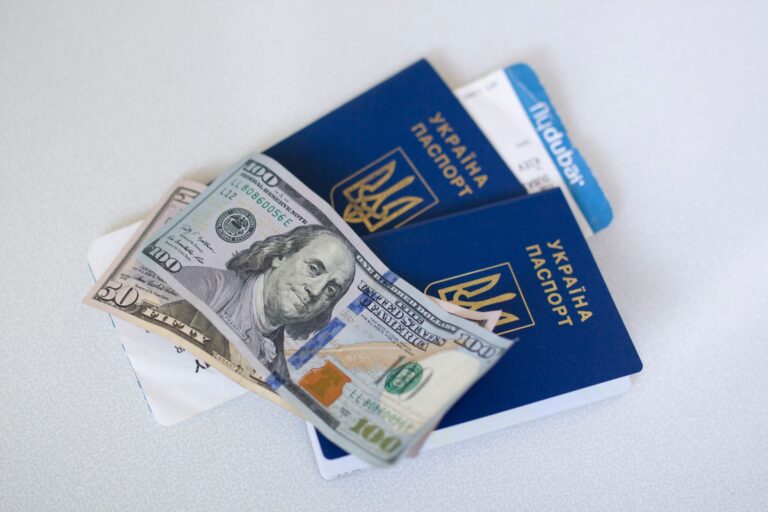
Even though you’ve already booked the big-ticket sights, Tokyo still asks you to keep some yen in your pocket. Many spots are cash only, so you’ll fit in better when you carry small bills and coins. At Tsukiji Outer Market, shrine boxes, tiny izakayas, and some street stalls all expect cash, and convenience stores often need exact change too.
- Carry at least ¥10,000 in mixed bills and coins
- Use 7-Eleven ATMs or Japan Post ATMs to withdraw yen
- Reload Suica/PASMO for transit, then keep physical cash for snacks
Before you order, check whether the place takes cards, because family-run eateries and animal cafes might not. Should you need more yen, withdraw it in yen and avoid real-time currency conversion. That way, you’ll move through the city with less stress and more confidence.
Frequently Asked Questions
Is $1000 Enough for 1 Week in Japan?
Yes, $1,000 can cover your week like a sturdy backpack if you choose budget accommodations, track concealed costs, watch exchange rates, and use transport passes. You’ll eat well, travel easily, and still belong there.
What Do Tourists Typically Do When Visiting in Tokyo?
You’d usually visit temples, sample street food, view cherry blossoms, hop between izakaya, and photograph neon-lit streets. You’d wander through shrines, markets, and busy crossings, then eat, drink, and capture glowing streets so you feel like you belong.
Do and Don’ts in Tokyo?
Do and don’ts in Tokyo: follow local norms so you fit in. No shoes indoors, keep quiet on trains, skip tipping culture, sort trash according to local rules, and ask permission before taking photos. You will feel welcome and not awkward anywhere.
Is $100 a Day Enough in Japan?
Yes, $100 a day can work in Japan provided you plan budget breakdowns, watch concealed fees, use transport passes, choose meal strategies, and track spending with money apps, so you’ll feel confident and included.