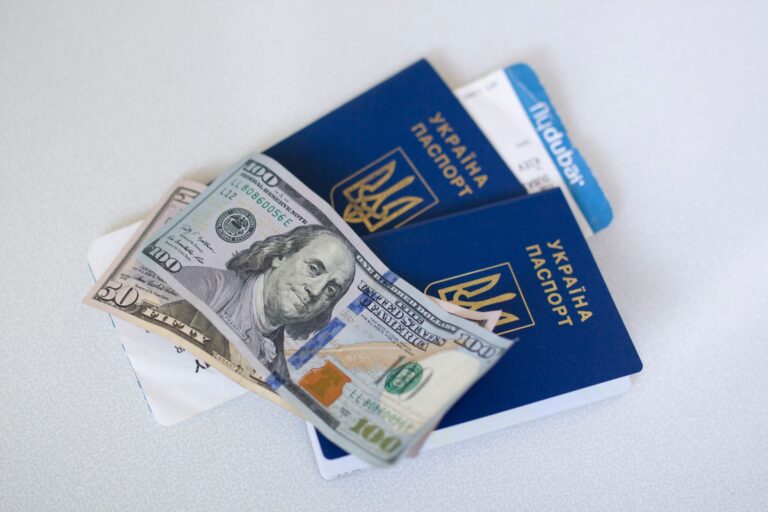

Planning a first trip to Europe is easier with a focused approach. Choose one region or two neighboring countries and give each city at least a couple of days. Check passport validity, visa rules for your nationality, and direct flight options before booking. Reserve major train routes and accommodations early to lock in better prices. Keep a relaxed daily pace so travel time and transit don’t exhaust your itinerary.
Choose Your Europe Trip Style
So, how do you pick a Europe trip style that won’t leave you frazzled come day three? Start by deciding whether you want to go deep in one country or region, or go broad with several stops. In case you’re new to Europe, slow pacing usually feels best. Give yourself 2 to 4 full days per city, because every move steals time and energy.
Then match your trip to what you love most. Should scenery and hiking make you happy, lean into Alpine or Scandinavia routes. Were art and old streets to call to you, choose Rome, Florence, or Paris.
Next, lower stress through guided tours or open-jaw flights. Finally, pick trains for city hops, flights for long distances, and cars only for countryside trips.
Check Your Entry Rules and Documents
Before you book anything, make sure your passport is ready for the road, because a small date problem can turn into a big travel headache fast. Check it now, since many countries require six months of validity after you leave. Then look at your visa rules and any entry stamps tied to your route.
| Place | Rule | What you do |
|---|---|---|
| Schengen Area | 90 days in 180 for many U.S. tourists | Track your days |
| UK | ETA required from Jan. 8, 2025 | Apply before you go |
| Turkey | might require an e-visa | Check before you pack |
| Montenegro | Not in Schengen or ETIAS | Verify local rules |
Also keep copies of your passport, insurance, and prescriptions. Save your hotel address and embassy contact too, so you can move with confidence.
Shop for Flights and Lock In Your Route
Now it’s time to map out the trip and snap up flights that give you room to breathe. For your initial trip to Europe, start and end in big hubs like London, Paris, Amsterdam, Frankfurt, Madrid, or Lisbon. You’ll usually find more choices and better fares there.
Next, open Google Flights and use map view plus flexible dates to spot the lowest prices across Europe. Try one-way and open-jaw routes, so you can fly into one city and out of another without extra backtracking.
Book more than two months ahead for busy seasons, and choose free-cancellation fares should your plans still feel shaky. Then lock in your international flights to begin with. After that, you can build train, car, or short-hop airline legs around those dates and cities.
Narrow Your Itinerary and Set the Pace
Once you know your route, trim your plan down to a pace you can actually enjoy, because every city change takes more time than it initially appears.
On your initial Europe trip, count your number of days with care and give each stop a real chance. Try to base yourself in fewer major cities, since every move can steal half a day or more. Aim for at least two full days in each place, and three or four if possible. That gives you room for core sights and perhaps a nearby day trip. Whenever two cities feel equal, choose the closer one so you spend less time in transit. Then build in one or two main activities a day, plus quiet time to breathe, wander, and recover.
Set Your Budget and Book Your Stay
Pin down your budget initially, and let it guide the rest of your booking choices. After you lock in flights and destinations, subtract any big splurges and divide what’s left by your travel days to set a daily spending limit.
Then you can book accommodation that fits your pace and your people. Look for centrally located stays with strong reviews, good heating or air conditioning, and easy transport access.
- Choose budget hotels whenever you want comfort without stress.
- Book accommodation early for festivals or tiny towns.
- Compare free-cancellation deals to stay flexible.
- Mix hostels, aparthotels, and splurges to save money.
- Check Booking.com, Airbnb, and similar options before you pay.
If you’re headed to pricier places like Switzerland, carry-on packing can help you keep your room choices open.
Book Trains, Tours, and Local Essentials
Now that your stay is set, book your main trains next, since they’re often the easiest and fastest way to get between major European cities.
You should also reserve popular tours and timed-entry tickets initially, because places like the Louvre and Gaudí sites can sell out weeks ahead.
Before you go, lock in key essentials like airport transfers, opening-night transport, and any must-do day trips so you won’t waste precious vacation time standing in line.
Train Ticket Booking
At the time you start planning train travel in Europe, booking in advance can save you both money and stress. Whenever you buy point-to-point train tickets early, you’ll often find lower fares on faster trains like TGV, Eurostar, ICE, and Frecciarossa, plus reserved seats that make the ride feel calmer.
- Check national rail sites initially, then compare with trusted aggregators.
- Look at regional low-cost options provided your route is flexible.
- Book in advance, because prices often climb near departure.
- Read refund rules, since Saver fares can be non-refundable.
- Compare rail passes with single tickets for multi-city trips.
Should you’re traveling with a group of new friends, pick the option that fits your pace and budget. A little planning now helps you arrive rested, connected, and ready for the next stop.
Tour and Essentials Reservations
| What to book | Why it matters |
|---|---|
| Timed entries | Big sights sell out fast |
| Day tours | Popular spots fill weeks ahead |
| Airport rides | Arrival feels smoother |
| Restaurants | Top tables go quickly |
Pack Smart, Get Insurance, and Prep Arrival
Before you zip up your bag, take a careful pass through your packing and travel plans, because a little prep here can save you a lot of stress later.
Pack light and use a carry-on-size bag, even for longer trips. You’ll move easier on cobblestones, trains, and stairs, and you’ll feel more at home whenever you’re not dragging extra weight.
Build a simple layer plan, then keep one warm layer and a rain jacket.
- One comfy pair of shoes
- One dressier pair
- A small day bag
- USB charger and meds
- Passport copies and prescriptions
Next, buy travel insurance that covers medical care, evacuation, cancellations, and lost bags.
Then map your arrival logistics: check airport transport, observe the ride time, save your lodging address in the local language, and keep cash, cards, and passport in separate secure spots.
Frequently Asked Questions
Is $2000 Enough for 2 Weeks in Europe?
Absolutely, you can make $2,000 work for 2 weeks in Europe provided you set travel priorities, track budget breakdowns, and watch concealed expenses. You will fit in best with budget destinations, cheap meals, and advance bookings.
Where to Start When Planning a Trip to Europe?
Start with your passport and a rough destination plan. Check passport renewal needs, buy travel insurance, then shape itinerary pacing around one region or a few nearby cities so you will feel comfortable, connected, and unhurried.
How Much Does an Average Trip to Europe Cost?
You’ll usually spend $100 to $250 a day in Europe, so a two week trip can run $1,400 to $3,500, and you can trim costs with budget airlines, travel insurance, scenic routes, and shared stays.
Is $100 a Day Enough in Europe?
Yes, $100 a day can work provided you choose budget hostels, skip pricey day excursions, and watch currency exchange fees. You will fit in best when walking, using transit, and eating like locals.