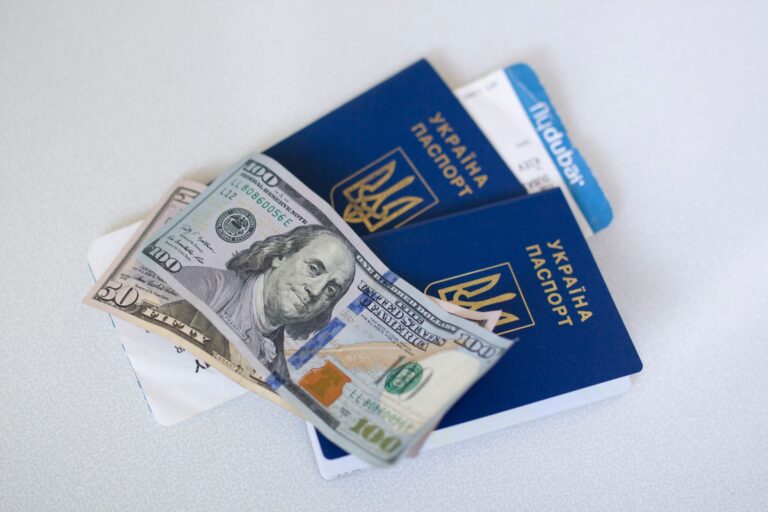

Choose travel insurance for international trips by balancing cost with coverage rather than picking the cheapest policy. Start with trip value, personal health, and destination risks to set coverage needs. Prioritize medical limits and emergency evacuation coverage before comparing cancellation and baggage protection. Check activity coverage for planned adventures and read deductible and pre-existing condition rules. Know claim procedures and exclusions to avoid surprises after an emergency.
What Travel Insurance Covers
Before you book that flight, it helps to know what travel insurance can actually do for you. It’s there to protect your trip from the messy surprises that can make you feel stranded.
Should you get sick or injured abroad, your plan could cover doctor visits, hospital stays, and medical evacuation whenever you need to move to a better facility. It can also help whenever your luggage goes missing or your baggage delay leaves you without essentials for hours or days.
Many plans step in for trip cancellations, sudden interruptions, and lost travel documents too. That way, you’re not handling every setback alone. You get backup, peace of mind, and a little breathing room whenever travel gets bumpy.
How Much Coverage You Need
Once you know what travel insurance can cover, the next step is figuring out how much protection you really need. You want enough to feel safe, but not so much that you strain your budget planning. Consider your total trip cost, your health, and the support you’d want from your emergency contacts in case something went wrong.
| Coverage need | What to check |
|---|---|
| Medical care | Hospital and doctor costs |
| Trip costs | Flights, hotels, tours |
| Belongings | Bags and personal items |
| Support | Help lines and emergency contacts |
| Budget fit | Premium you can afford |
When you compare plans, ask what would feel manageable should your plans change fast. That way, you can travel with people who’ve got your back, and you won’t pay for more than you’ll use.
Match Coverage to Trip Risks
Your trip risks should guide your coverage, because a beach break, a city stay, and a mountain trek all bring different kinds of stress.
Should you’re heading somewhere busy, look for protection that fits theft, lost bags, and trip delays.
In case you’re chasing the outdoors, match your plan to destination specific risks like rough roads, remote lodges, or limited transport.
You should also check seasonal weather, since storms, floods, or heavy snow can turn a smooth plan into a mess fast.
Pick coverage that fits your activities, your route, and your timing, so you don’t pay for extras you’ll never use.
Whenever you choose this way, you join travelers who plan smart and keep their trips feeling calmer, safer, and a lot less chaotic.
Compare Travel Insurance Medical Benefits
Medical benefits can feel confusing at initially, but they matter more than almost anything else whenever you travel far from home. You want care that fits your needs and your budget, and you deserve that peace of mind. Compare each plan’s emergency treatment, hospital stay, and doctor visit limits. Then check whether the policy networks include clinics near your route. A strong provider reputation also helps, because fast claims and helpful support can ease a stressful moment.
| Benefit | What to compare |
|---|---|
| Emergency care | Coverage limits and approval rules |
| Hospital stays | Daily caps and room types |
| Doctor visits | Outpatient access and co-pays |
| Medicines | Prescriptions and refill rules |
| Network access | Local providers and reputation |
Whenever you read the fine print, you’ll spot the plan that feels like it’s on your side.
Check Trip Cancellation and Interruption
Whenever a trip falls apart, cancellation and interruption coverage can save you from a painful money loss. You want a plan that protects your seat, your hotel, and your peace of mind.
Check the trip cancellation part initially, because it pays you back when you must cancel before leaving for a covered reason, like sudden illness or a family emergency. Then look at interruption reimbursement, since it helps whenever you start the trip but need to come home early.
Read the benefit limits closely, and match them to your total prepaid costs. Should your trip feel significant to you, this coverage helps you stay connected to your plans without feeling alone as life shifts fast.
Ask questions, compare amounts, and choose the option that fits your circle.
Review Travel Insurance Exclusions
Before you buy a policy, you should check the exclusions so you know what won’t be covered whenever plans change.
Many policies leave out common risks like certain pre-existing conditions and injuries from high-risk activities, which can surprise you later.
Whenever you read these limits now, you give yourself a better chance of picking coverage that truly fits your trip.
Common Policy Exclusions
Even the best travel insurance plan has limits, and those limits can matter a lot should a trip go sideways. You’ll feel more confident once you know what your policy won’t cover. Many plans exclude losses from political upheaval, so unrest or sudden government action could leave you on your own. Others skip care tied to cosmetic procedures, because insurers see those as elective, not urgent.
- Check activity exclusions before you book.
- Read event-based exclusions for strikes, riots, and weather delays.
- Compare your itinerary with the policy’s fine print.
Once you spot gaps ahead of time, you can choose coverage that fits your trip and helps you feel like you belong on the road, not left guessing at the counter.
Pre-Existing Condition Limits
Pre-existing condition limits can catch you off guard, especially while you’re already focused on flights, bags, and time zones. You’ll want to read this part closely, because it tells you when your health history might change a claim. Some plans cover stable conditions only after a waiting period, while others exclude them unless you answer medical questionnaires honestly. Should you skip details, the insurer could deny help later, and that stings more than a lost sock.
Before you buy, check how long the condition must stay unchanged, what counts as treatment, and whether insurer notifications are required after a doctor visit. Should your policy request extra proof, send it right away. That way, you protect your trip and your peace of mind.
High-Risk Activity Gaps
High-risk activities can sneak up on you, so you’ll want to check the fine print with care. Your plan might seem solid, but gaps often appear around extreme sports, volunteer travel, and other expedition-heavy moments.
Should you ski off-piste, plunge deep, or join a work project abroad, you could be on your own should the policy excludes it.
- Read the activity list and match it to your trip.
- Ask whether your group needs extra coverage for gear or rescue costs.
- Confirm whether local help counts as volunteer travel or unpaid work.
Then compare rules for each provider, because one small word can change your protection. Once you understand these limits, you can travel with more peace and feel like you belong in the expedition, not outside it.
Choose Deductibles and Coverage Limits
As you compare travel insurance plans, look closely at the deductible and the coverage limits, because these two details can change how much you pay whenever something goes wrong.
You want a plan that fits your trip and your budget, so consider Policy customization promptly. A lower deductible means less stress at claim time, but it can raise your premium.
Higher limits can protect you should a hospital bill grow fast, and that peace of mind matters while you’re far from home.
Check Claim timelines too, because quick paperwork helps you move forward without extra worry.
In case you travel with family or friends, make sure each person has enough protection.
Whenever the numbers feel clear, you can choose with confidence and feel like you belong on the road.
Pick Add-Ons Worth Paying For
Once you’ve set your core coverage, it’s smart to zoom in on the extras that can save your trip. You don’t need every upgrade, but a few can make you feel supported should plans wobble.
- Baggage delay helps you buy clothes and basics while you wait.
- Concierge services can help you find care, book a ride, or replace a lost item.
- Trip interruption coverage can ease the sting if you must head home prematurely.
Pick add-ons that match your travel style, not someone else’s. Supposing you’re heading far from home, a little extra help can feel like a friendly hand in a busy airport.
That peace of mind matters whenever you want to travel with confidence and stay part of the moment.
Compare Plans, Not Just Prices
Price can look tempting at initially, but it can hide the real story, so take a closer look before you buy. You and your travel crew deserve coverage that fits real needs, not just a low tag. Compare policy features side to side, because two plans can cost the same and still protect you very differently.
| Plan | Medical Limit | Baggage Cover |
|---|---|---|
| Basic | $50,000 | $500 |
| Mid | $100,000 | $1,000 |
| Strong | $250,000 | $2,500 |
| Plus | $500,000 | $3,000 |
Read customer reviews to see how claims feel in real life. Look for clear service, fair payouts, and helpful support whenever stress runs high. Then choose the plan that helps you feel covered, confident, and part of the escapade.
Buy Travel Insurance Before You Leave
Buying your travel insurance before you leave gives you peace of mind while the trip is still calm and simple. You can sort out the details without airport stress, and you’ll feel like the grown-up in the group who planned ahead. That matters whenever you want to travel with confidence and belong anywhere you land.
- Buy it soon after you book, so your coverage starts promptly.
- Check that it covers medical care, cancellations, and lost bags.
- Keep document copies on your phone and in your email.
Next, match your policy to your trip so you’re ready to pack essentials with less worry. Should plans change, you’ll already have protection in place. That small step can save you a lot of trouble later, and it helps you travel with a steadier heart.
Frequently Asked Questions
Do Pre-Existing Conditions Affect Travel Insurance Eligibility?
Yes, pre existing conditions can affect your travel insurance eligibility, so you should disclose medical details honestly. Some plans add waiting periods or exclude coverage, but you can still find options that fit your needs.
Can I Extend My Policy After Departure?
Yes, you can sometimes extend your policy after departure, like adding another layer to your safety net. Check for policy extensions and mid trip upgrades promptly, because you will stay covered with confidence and belong where you roam.
Does Travel Insurance Cover Rental Car Damage?
Yes, you can get rental car damage coverage as long as your policy includes it. Check deductible options and policy exclusions so you feel secure and stay connected with fellow travelers.
Are Adventure Sports Included in Standard Policies?
Usually they aren’t: calm coverage beside wild thrills. You’ll often find extreme exclusions in standard policies, so check the list carefully. If you are skiing, diving, or climbing, add activity upgrades to stay with the crowd.
How Do I File a Claim While Abroad?
You should file your claim while overseas by contacting your insurer immediately and using local assistance if needed. Keep any documentation they request, follow claim timelines closely, and stay in contact with your insurer — you are not handling this alone.