

Privacy, service, and total trip cost often matter more than the nightly rate when choosing between these three options. A cheap room can become expensive after taxes, cleaning fees, parking, breakfast, or transit. For a two-night city break, a front desk can beat a lower rate; for a week, a kitchen can change the math.
You can match the stay to your schedule, comfort level, and budget without guessing. This comparison helps you decide for solo travel, family stays, remote work, and short city breaks, with the tradeoffs laid out in plain terms.
The Three-Stay Comparison That Actually Matters
The split starts with the room setup, not the listing title. A standard hotel room gives you privacy and, often, an en-suite bathroom; a private Airbnb can give you more room and kitchen access; a hostel dorm keeps the rate low by trading privacy for shared space.
That difference also affects support. The U.S. Department of State advises you to check safety, location, and local support before booking, and that guidance matters because service levels vary sharply across hotels, short-term rentals, and hostels.
| Factor | Hotel | Airbnb | Hostel |
|---|---|---|---|
| Price structure | Nightly rate plus taxes, sometimes parking or breakfast | Nightly rate plus cleaning fee, service fee, and taxes | Base rate with extras for towels, lockers, or laundry |
| Privacy | Private room, often private bath | Entire home, private room, or shared room | Dorm room or private room, shared common spaces |
| Space | Set room size, sometimes suites | Often more living space and kitchen access | Compact rooms, shared kitchens or lounges |
| Service | Housekeeping, front desk, luggage help | Host messages, platform tools, less on-site help | Basic support, self-service, mixed staffing |
| Safety support | On-site staff, key control, stable procedures | Varies by host, building, and area | Can be solid, but shared access raises exposure |
| Social feel | Low | Low to medium | High |
Home-like stays can give you more space, but quality and rules vary by property and local regulation. Hostel materials describe hostels as a lower-cost option built around shared use and a communal atmosphere, which explains why the experience feels very different from a hotel.
That cost difference shapes everything else, especially how much comfort and independence you can expect.
What You Get For Your Money In Each Option
The booking screen can hide the real price. A room that looks cheaper can cost more once cleaning, parking, service fees, breakfast, and transit are added. The Consumer Financial Protection Bureau warns that fee stacks change the true price of a stay, and the same logic applies here.
Hotels Bundle Convenience Into The Rate
Hotel value comes from what you do not have to manage. Housekeeping, a front desk, and regular service cut friction, which matters on a tight schedule or after a delayed flight.
Chains such as Marriott, Hilton, Hyatt, IHG, and Wyndham matter because their brand standards often mean steadier Wi-Fi, bedding, and check-in flow. A boutique hotel can still be excellent, but a chain gives you more predictability when you need receipts, late arrival help, or a fast fix.
Airbnb Can Win On Space And Kitchen Access
An Airbnb-style stay can make sense when you use the extra room. A kitchen saves money only when you cook, store leftovers, or make breakfast in the unit; otherwise, that extra space turns into dead square footage.
Monthly discounts, laundry, and a work table matter more on a 10-day or 3-week trip than on a Friday-to-Sunday stay. Lodging value still comes down to rate, location, and allowable expenses, so the cheapest headline price is rarely the full answer.
Hostels Lead On Base Price, Then Ask For Tradeoffs
Hostels are built for low nightly cost and shared use. Many offer dorm beds, shared bathrooms, and common kitchens, which keeps the entry point low and the social atmosphere high.
That setup works for budget travel and solo travel, but quiet and privacy drop fast in a mixed dorm. A private hostel room solves part of that problem, yet the shared hallways, bathrooms, and late arrivals still shape the experience.
Add taxes, parking, breakfast, laundry, and transport before you decide. A room near transit can beat a lower rate far from the center, and that difference often shows up only after you total the stay.
Travel research keeps showing the same pattern: hotels standardize service, hostels push the base nightly cost lower, and Airbnb-style rentals lean into space and kitchen access. Once the money question is clear, noise and privacy become the next split.
Once the price is set, the real tradeoff becomes how much personal space you’re willing to sacrifice.
Privacy, Noise, And The Reality Of Shared Space
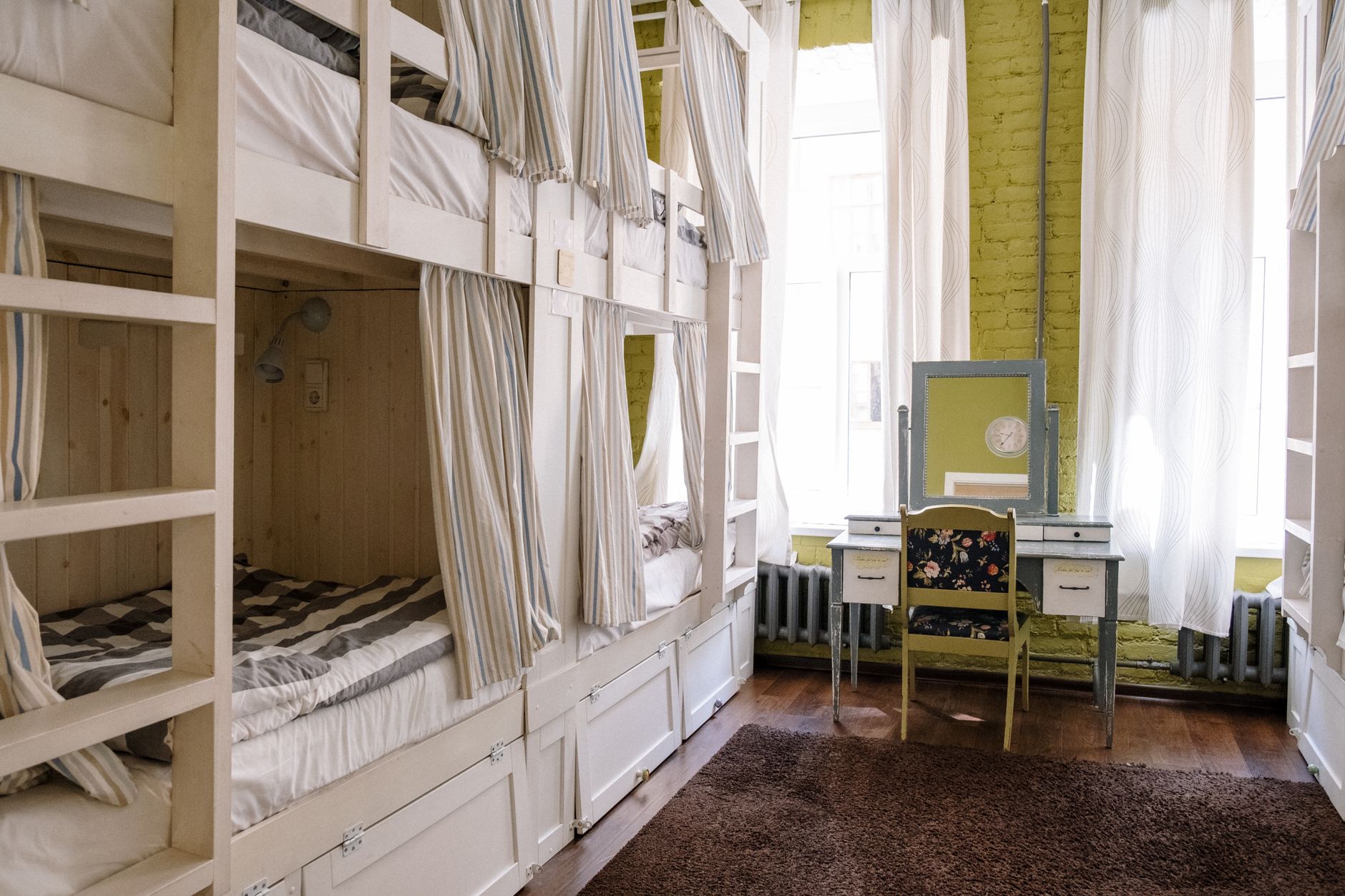
Sleep quality drops fast when walls are thin or roommates keep late hours. Sleep research links environmental noise with more awakenings and less restful sleep, which is why a private hotel room can feel worth extra cost after a long day.
Private Rooms Offer Control
A hotel room gives you the cleanest line between your space and everyone else’s. That matters for remote work, early meetings, and anyone who needs a predictable desk, outlet placement, and light control.
Guest satisfaction tends to rise when privacy and room control are strong, and that same idea explains why a plain, quiet hotel can beat a larger but noisier rental.
Shared Homes Trade Control For A Local Feel
A private Airbnb room or an entire home can feel residential, which suits longer stays and group trips. The friction comes from house rules, neighbor noise, and the unknown quality of the building itself.
Once more people share a unit, privacy falls and conflict risk rises. In travel, that means a shared kitchen, shared bath, or thin wall can shape your stay more than the listing photos do.
Dorm Rooms Max Out Social Contact
Hostel dorms create the most interaction and the least personal control. That can be ideal for a quick meet-up in Barcelona or Prague, where the point is to spend less on lodging and more on the city.
Female-only dorms and private hostel rooms can soften the tradeoff. Even then, lockers, hallway traffic, and the rhythm of shared bathrooms still matter, especially for light sleepers.
The next issue is less romantic and more practical: the door lock, the neighborhood, and the person who answers at 11 p.m. Those details decide whether a stay feels easy or shaky.
Those everyday details also affect how secure a stay feels when you arrive and settle in.
Safety, Security, And Booking Confidence
A clean listing means little if the block feels wrong at night. The State Department tells you to check area risk, emergency access, and lodging location before booking, and that advice fits every category here.
What To Check Before You Pay
- Neighborhood risk: Check transit access, walkability after dark, and the block around the building.
- Review patterns: Read recent comments for noise, cleanliness, and host response speed.
- Cancellation terms: Compare refund windows before you commit to a nonrefundable rate.
- Legality: Confirm short-term rental rules in the city, since some areas limit rental types.
- Host responsiveness: Test how fast messages get answered before arrival.
Security habits matter online too. Use secure payment methods, protect account logins, and avoid sending sensitive details over public Wi-Fi when you book or check in.
Hotels Give You On-Site Backup
A staffed lobby can solve problems fast. If your key stops working or your room is noisy, a front desk can often fix it without a long message thread.
Hotels also help with baggage storage and access control, which matters on arrival days with long gaps before check-in. That service layer gives hotels a clear edge for business travel and short stays.
Solo female travelers should be extra strict about access, entry points, and late-night arrival plans. A well-reviewed hotel or a private room with strong host responsiveness is the safer bet than an unclear listing in an unfamiliar area.
Airbnb does offer identity checks, secure payments, and AirCover tools, but the protection still depends on the host, the property, and the location. Hostels can be safe and well run, yet shared space means more people moving through common areas, so baggage security and room access deserve a hard look.
When people are sharing more areas, confidence in the booking process matters just as much as comfort.
Which Stay Fits Your Trip Length And Travel Style
Trip length changes the math faster than most travelers expect. A one-night stop favors convenience; a ten-night stay rewards kitchen access, laundry, and room to spread out.
That is why hotel vs airbnb vs hostel works differently from one itinerary to the next. A stay that feels expensive for one weekend can become smart value over 10 days.
Hotels Fit Business Trips And City Breaks
Business travel leans toward hotels because receipts, housekeeping, quiet rooms, and front desk help save time. Early meetings and late flights make predictable service more valuable than a bigger kitchen.
Short city breaks work the same way. A central hotel near transit can beat a cheaper rental that adds a long walk, a key handoff, or a last-minute message thread at check-in.
Airbnb Fits Longer Stays, Groups, And Self-Catering
Airbnb can make sense for a family of four, a group trip, or a stay of a week or more. Extra bedrooms, laundry, and kitchen access can cut restaurant spending and keep mornings calmer.
The catch is that kitchen access only pays off when you use it. A unit with a nice stove but no grocery run still behaves like an expensive bedroom with chores.
Hostels Fit Solo Travel And Social Trips
Hostels suit backpacking, quick stopovers, and trips where meeting people matters. Hostelling International describes them as budget-oriented stays with shared kitchens and communal spaces, which is why they work well for flexible itineraries.
A solo traveler on a three-night stay can find strong value in a hostel private room or a simple dorm bed. In Europe, cities like Athens, Berlin, and Lisbon often have enough hostel inventory to keep costs down without pushing you far from transit.
Aparthotels sit between hotel and Airbnb, and they matter because they mix hotel management with apartment-style space. That hybrid can be the sweet spot for remote work or longer urban stays, especially when you want fewer surprises than a private rental can bring.
Longer trips tend to magnify those differences, making fit with your routine more important than headline price.
A Simple Decision Matrix Before You Book
A quick score can save you from paying for the wrong mix of comfort and friction. Rate each option from 1 to 5 on price, privacy, safety, convenience, and flexibility, then add the numbers before you book.
- Budget solo traveler: Hostel wins when privacy matters least and social contact matters most.
- Couple: Hotel wins for one or two nights; Airbnb gains ground on a longer stay with cooking.
- Family: Airbnb or aparthotel works well when you need space, laundry, and separate sleeping areas.
- Remote worker: Hotel or aparthotel fits best when Wi-Fi, desk comfort, and quiet matter.
- First-time visitor: Hotel wins when you want staff support, easy arrivals, and a known process.
For solo female travelers, a hotel or a private room in a highly rated property tends to give the best mix of access control and support. For a backpacking route through Europe, a hostel can be the smartest pick because the social atmosphere and low entry cost fit the trip goal.
The hotel vs airbnb vs hostel choice becomes clear once you stop chasing the listed rate and start pricing your real needs. A hotel earns its premium through service and predictability, Airbnb earns its keep through space and kitchen use, and a hostel wins when shared space is part of the plan.
That framework makes the final choice easier: match the stay to the experience you actually want.
Wrap Up
Your best stay is the one that matches the trip, not the one with the most tempting headline price. A private room with a front desk beats a studio with a long fee list on a two-night work trip, while a kitchen and extra bedroom can win on a week-long family stay.
Privacy, safety, and all-in cost should steer the final call. Once you weigh those three pieces, the right option usually stands out fast.
FAQ
Should I stay in a hostel, Airbnb, or hotel?
A hotel fits short stays, business trips, and late arrivals. Airbnb fits longer trips, groups, and stays where kitchen access matters. A hostel fits solo travel and social trips where you care more about cost and shared space than privacy.
Which is cheaper overall: hotel, Airbnb, or hostel?
A hostel often has the lowest base rate, but total cost can rise with lockers, laundry, and extras. Airbnb can look cheap until cleaning and service fees land, while a hotel can win on some dates once taxes, parking, and breakfast are counted.
Is Airbnb safe for solo female travelers?
It can be, but the safest choice depends on neighborhood, reviews, host response speed, and access control. A hotel or a very well reviewed private room usually gives stronger support, easier arrival, and more certainty after dark.
Are hostels good for short stays or long stays?
A low nightly rate makes hostels especially appealing for quick trips when you plan to spend most of the day outside. Longer stays can work too, but noise, shared bathrooms, and limited privacy wear on you faster over time.
What hidden fees should I watch for when booking an Airbnb?
Watch for cleaning fees, service fees, occupancy taxes, security deposits, extra guest charges, parking, and cleaning rules. The total can rise fast, so the final price matters more than the headline nightly rate.
Which accommodation is best for privacy and quiet?
A hotel room usually gives the most privacy and the steadiest quiet. A private Airbnb can work well in the right building, while a hostel dorm gives you the least control over noise and shared space.