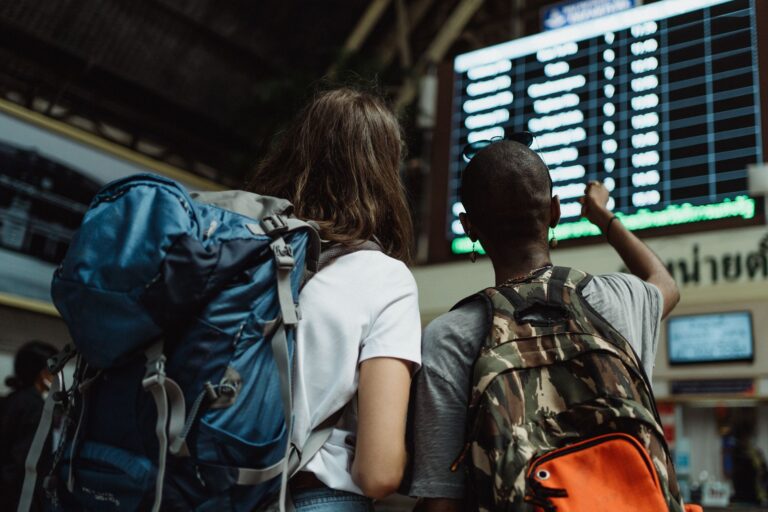

From passports and prescription meds to chargers, shirts, and toiletries, a reusable list keeps you prepared before you leave home. To pack smarter, start with items you cannot easily replace, then add destination-specific gear so your bag stays light and useful.
You can use the same system for a city break, beach trip, work trip, or long-haul flight. It helps you sort domestic and international travel, cut duplicate items, and avoid the last-minute grab for something important.
The Core Checklist That Works Almost Everywhere
The first layer of packing should cover the items that keep a trip on track if baggage is delayed or plans change. Documents, medicine, power, and one change of clothes do far more work than extra outfits do.
That’s why a travel packing checklist should start with irreplaceable items, then move to clothing and toiletries. The U.S. Department of State and CDC both emphasize passports, visas, copies of documents, medications, and basic health supplies because losing them creates bigger problems than forgetting a second pair of sandals.
Build the base around replaceable versus irreplaceable items
- Identity papers stay with you because border checks and airline desks depend on them.
- Prescription medicine stays close because a delayed bag can interrupt dosing.
- Core clothing fills the bag because a shirt is easier to replace than a passport.
- Toiletries stay lean because liquids can spill and take up space fast.
- Chargers and adapters stay in the power group because dead devices stop tickets, maps, and messages.
Use a universal clothing and toiletry base
Pack items that work in more than one setting. A neutral jacket, two or three tops that mix with one another, and shoes that handle walking or standing beat a suitcase full of single-use outfits.
For toiletries, keep the list practical. Toothpaste, deodorant, contact lens supplies, facial cleanser, sunscreen, and a compact comb cover most trips, and each item should earn its place by helping on day one and day four.
That universal base gives you a clean starting point for the rest of your travel packing checklist. Once that pile is set, the next step is deciding what stays with you in transit and what can go in checked bags.
That pile is only the beginning; the real sorting happens when each item finds its travel place.
Carry-On, Personal Item, and Checked Bag Roles
A delayed suitcase can turn an easy arrival into a midnight search for basics. TSA and FAA guidance point in the same direction: keep travel-day essentials within reach, and keep lithium batteries, power banks, and other fragile gear out of checked luggage.
Keep travel-day essentials in the carry-on
- Documents include passport, ID, boarding pass, and reservation details.
- Medicines stay with you so your dosing schedule does not depend on baggage handling.
- Phone power belongs here with a charger cable and power bank.
- Glasses or contacts should stay close because losing them can derail the trip.
- One outfit change helps after spills, rain, or baggage delays.
- Valuables ride in cabin space because theft and rough handling are easier to avoid there.
Use the personal item for transit comfort and access
Your personal item is the place for things you may reach for while seated or standing in line. Snacks, headphones, wipes, tissues, a book, lip balm, and small liquids that fit TSA liquids limit rules all work well there.
Paper copies of bookings and a pen also belong in that bag. On a long flight or train ride, those small items save time when a gate change, customs form, or seat swap appears.
Reserve checked luggage for bulk and backups
Checked baggage is best for shoes with bulk, extra layers, and anything you will not need before arrival. That includes beach extras, formalwear, spare toiletries above liquid limits, and backup items that can survive a delay.
TSA and FAA both make one thing clear: check prohibited and restricted items before you zip the bag. Aerosols, sharp tools, batteries, and some liquids can trigger screening problems, and rules change by item and transport mode.
Once you sort the bag roles, the paperwork side becomes easier. That is where departure prep starts to matter most.
Paperwork tends to be easier to miss than to fix, which makes this the moment to get it right.
Documents, Money, and Travel Protection Before You Leave
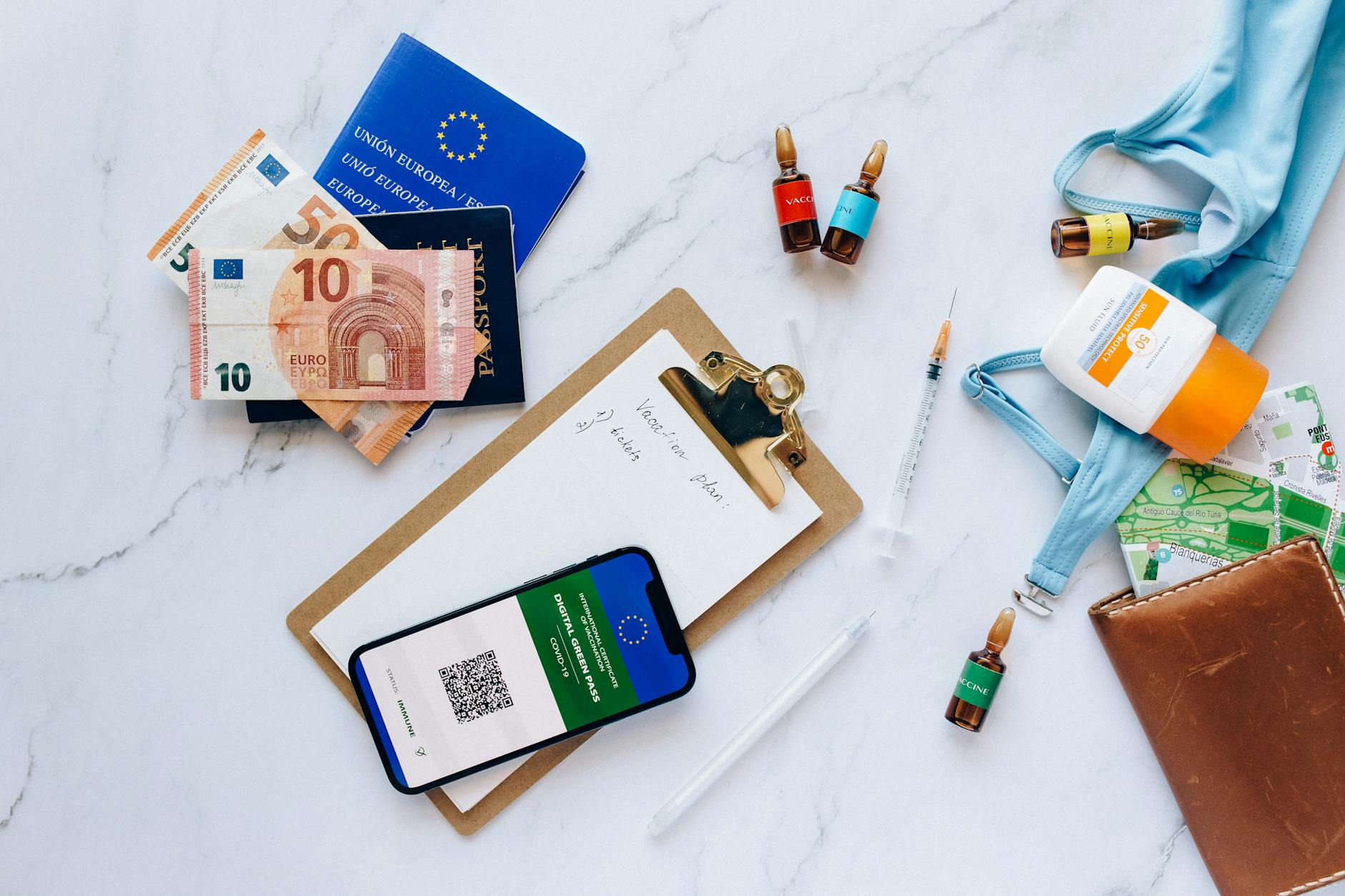
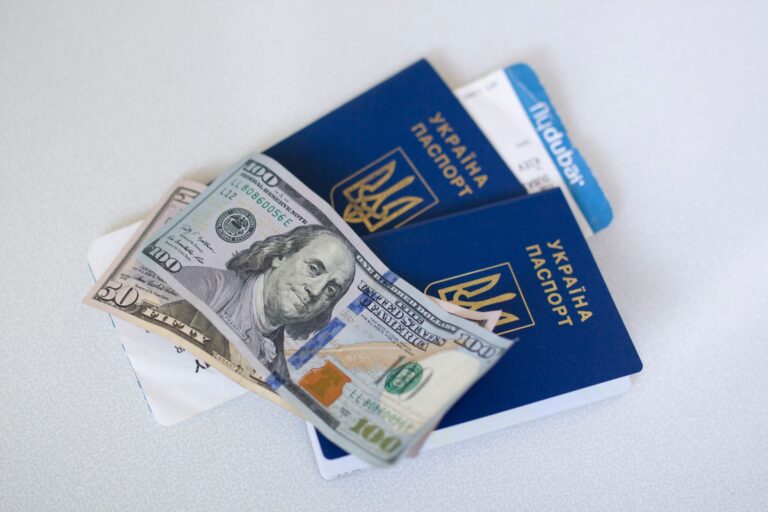
A passport with too little validity can end a trip before the taxi leaves. Many countries also require a visa, eVisa, ETA, or proof of onward travel, so packing starts with entry rules instead of clothes.
Check entry rules before anything goes in the suitcase
Confirm passport validity, visa requirements, embassy contact information, and any registration step for your destination. The State Department also advises enrollment in STEP for U.S. travelers going abroad, because it helps with alerts and contact during disruptions.
That review should also include local laws and customs limits. Some countries restrict medications, food items, batteries, drones, or certain clothing choices, and those rules matter before you reach the airport counter.
Pack copies in separate places
Copies of important documents should sit apart from the originals. A paper copy in your personal item and a digital copy stored offline or in secure cloud storage give you a second path if a bag disappears or a phone dies.
Keep reservation records, insurance policy details, and emergency contact numbers in that same backup set. The goal is simple: you should be able to prove who you are and where you are going without digging through a locked suitcase.
Carry payment options that work on arrival
Card networks do not work the same way in every country, and some ATMs reject certain cards without warning. The Consumer Financial Protection Bureau advises travelers to notify banks, carry multiple payment methods, and know foreign transaction fees before departure.
Put one primary card, one backup card, and a little local currency where you can reach them on arrival day. That mix covers taxis, tips, water, and the snack run after customs when the airport shop takes cash only.
Store emergency numbers and policy details in your phone notes and on paper. A dead battery should not erase access to your claims contact, embassy number, or hotel booking.
With the paperwork and money set, clothing becomes the next variable. Climate and trip length decide how much flexibility your bag needs.
When route and weather are fixed, fabric choices stop being guesswork and start becoming strategy.
Clothing and Toiletries Built for Weather and Trip Length
Humidity, wind, air conditioning, and altitude can make one destination feel like three climates in the same day. A beach town may still need a jacket after sunset, and a city trip can mean long walks on wet sidewalks or cold train platforms.
Match layers and shoes to the place, not the label
Pack a base layer, a midlayer, and an outer layer whenever temperatures shift during the day. A rain shell, a sweater, and one breathable shirt can cover more situations than a stack of thick tops that all do the same job.
Shoe selection matters as much as shirts and pants. A pair that handles walking, stairs, and a dinner table beats pretty footwear that gives you blisters on day one, especially on trips with cobblestones or terminals that stretch for half a mile.
Use mix-and-match clothing for a week-long trip
For what to pack for a week-long trip, a small clothing set beats a fresh outfit for each day. Three tops, two bottoms, one layer, sleepwear, underwear, and socks can cover seven days when the pieces share colors and fabrics.
Add a simple laundry plan instead of overfilling the bag. A sink wash, hotel laundry, or a lightweight travel detergent sheet can keep the load down and leave room for a coat or extra shoes.
Adjust toiletries for the destination
Sunscreen, insect repellent, hand sanitizer, and lip balm belong in many warm or outdoor trips. CDC guidance also points toward destination health needs such as water safety, food safety, and local bug exposure, which can change what you carry in the toiletry kit.
Pack travel-sized bottles where possible, and keep liquids in a clear pouch for security screening. Shampoo, conditioner, and lotion look small at home, then swallow half a toiletry bag once you add a few nights away.
A compact kit can still do real work. The next layer is health, where the wrong omission is harder to fix than a missing shirt.
A smaller kit can still cover a lot, but health essentials deserve the most careful attention.
Health Items, Medications, and First-Aid Basics
Prescription bottles and a few first-aid supplies can save a trip day that starts badly. Mayo Clinic and the CDC both advise keeping medicines in original packaging, with enough for the full stay plus delay time, because customs checks and refill gaps are easier to manage that way.
Keep medications labeled and accessible
- Original packaging helps with identification at security and customs.
- Extra supply covers delayed flights and missed connections.
- Prescription copy helps replace medicine if a bag goes missing.
- Dose schedule keeps timing steady across time zones.
- Carry-on storage reduces loss, heat exposure, and access problems.
Pack a compact first-aid kit
A small kit should hold adhesive bandages, gauze, antiseptic wipes, pain relievers, antihistamines, anti-diarrheal medicine, and blister care. Mayo Clinic also points toward tweezers and a thermometer for trips where foot pain, scrapes, or fever need fast attention.
That kit does not need to look like a clinic drawer. A zip pouch with a few sealed packs handles most short trips and still leaves room for personal supplies tied to allergies, asthma, or chronic care.
Plan for local care and access limits
Medical access changes fast in remote areas, islands, and small towns. A destination with limited pharmacy hours or long transport times makes backup medicine, copies of prescriptions, and an emergency plan far more useful than a bigger wardrobe.
CDC travel health advice also points toward destination-specific items such as malaria prophylaxis, altitude medicine, or oral rehydration packets when the route calls for them. That is the kind of detail a generic packing list misses, and it can matter more than an extra sweater.
Health prep also affects your electronics and trip-day gear, because the phone in your hand now carries more than calls.
Because one device now handles maps, tickets, and contact, the rest of your gear has to support it.
Electronics, Adapters, and Travel-Day Essentials
A dead phone can mean no boarding pass, no map, and no way to message your hotel. TSA and FAA guidance both support keeping chargers, batteries, and power banks where they are easy to reach and safe to inspect.
Pack the devices that keep travel moving
- Phone charger keeps ticket access, maps, and messaging alive.
- Power bank helps on long layovers and full sightseeing days.
- Earbuds or headphones make flights, trains, and shared spaces easier.
- Tablet or laptop matters for work, downloads, and entertainment.
- Downloaded files cover tickets, reservations, and offline maps.
Match plug shape and voltage before you land
IEC world-plugs data shows that plug shapes vary by country, and voltage can vary too. A plug adapter changes shape, not voltage, so some devices need the right charger or a converter to avoid damage.
That detail matters most for hair tools, electric shavers, and older chargers. A laptop brick or phone charger marked for dual voltage can handle more regions, but you still need the right plug head for the wall.
Round out the travel-day kit
Pack a reusable water bottle, snacks, tissues, wipes, and a pen for forms or customs cards. A neck pillow, eye mask, or light scarf can make a red-eye, bus ride, or ferry crossing less draining without taking much space.
That travel-day kit works like a cockpit drawer: small, visible, and ready. Once it is set, the last pass is what turns the whole travel packing checklist into something you can reuse next month.
A tidy setup helps, yet consistency comes from one more review before the bag ever leaves home.
The Final Pass That Turns a List Into a Reliable System
The last 20 minutes before departure matter more than the first 20 minutes of packing. A quick review catches missing passports, restricted items, charging cables, and the one item you meant to grab from the laundry pile.
| Trip Type | What Stays Universal | What Changes |
|---|---|---|
| City break | Documents, meds, chargers, shoes, layers | One compact bag, walking shoes, transit maps, light outerwear |
| Beach stay | Passport, money, health kit, basics | Swimsuits, hat, sandals, quick-dry clothing, sun care |
| Cold-weather trip | Passport, meds, power, toiletries | Thermal layers, gloves, hat, waterproof shell, warm socks |
| Family trip | Copies, backup payments, first-aid items | Extra snacks, kid supplies, separate bags for easy access |
| Work travel | Identity papers, charger set, clothing layers | Laptop, meeting gear, wrinkle-resistant clothes, presentation backup |
Run a pre-departure review
Check that documents are in hand, liquids are within TSA limits, and electronics are charged. Then scan for destination rules, climate needs, and any item that should move from checked luggage to your personal item.
That review is where a printable travel checklist earns its place. A short paper list or travel checklist PDF gives you a place to mark completed items without starting from scratch every time.
Adjust the list without rebuilding it
A family trip needs more snacks, backup clothes, and a clear plan for meds and kid supplies. An adventure trip shifts weight toward footwear, sun care, insect repellent, and gear tied to the activity, while a business trip leans toward neat layers and tech backup.
The fastest system is a base list plus add-ons. Save the finished list, trim what you never used, and keep the version that matched your last good trip.
A travel packing checklist works best when it stays alive between trips. The saved version becomes your starting point, and the tweaks from each trip keep it honest.
That habit pays off later, when the list becomes less a record and more a tool you refine over time.
Final Thoughts
The smartest bag starts with what you cannot replace, then grows around climate, trip length, and transport rules. Pack documents, meds, power, shoes, and layers first, and you avoid the scramble that starts when a missing item costs you time at the worst moment.
FAQ
What should I pack for a trip to any destination?
Start with your passport or ID, wallet, prescriptions, phone, charger, one change of clothes, shoes you can walk in, and a compact toiletry kit. Add weather gear, destination health items, and any bookings or insurance details you need on arrival.
What do I need to pack for international travel?
Bring a passport with enough validity, any visa or entry approval, copies of key documents, multiple payment methods, travel insurance details, and destination-specific medications or adapters. Add local currency for arrival-day costs and offline copies of tickets and maps.
What can I bring in my carry-on bag?
Your carry-on should hold documents, medicines, phone power, valuables, glasses, and one outfit change. TSA rules also limit liquids and restrict some items, so keep small toiletries within allowed sizes and place batteries and power banks in cabin space.
How do I pack for different climates and seasons?
Use layers instead of heavy single-purpose pieces. A base layer, midlayer, and shell cover more weather shifts than a full stack of bulky clothes, and destination footwear should match walking, rain, heat, or cold.
Do I need a plug adapter for international travel?
Most trips abroad need an adapter because plug shapes and voltage standards vary by country. Check your device labels before you leave, since an adapter changes the plug shape but does not change voltage.
What travel documents should I bring?
Bring your passport, visa or entry approval when required, photo ID, boarding passes or booking records, insurance details, emergency contacts, and copies of key papers. Keep originals and copies separate so a lost bag does not take everything with it.