
The best backpacking water filter system in 2026 depends on your trip style, group size, and water source.
Lightweight squeeze filters work great for solo hikers who want to save space.
Pump and gravity systems handle dirtier water and larger groups with less effort.
The best choice comes down to balancing weight, speed, and protection.
| Katadyn BeFree 3.0L Water Filter (8019640) | 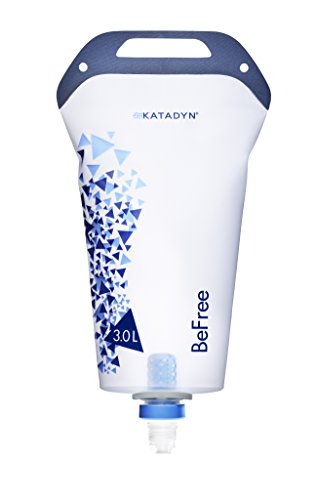 | Best Ultralight Reservoir | Filtration Type: 0.1 micron hollow fiber | Power Source: Non-electric | Flow Rate: Up to 2 L/min | VIEW LATEST PRICE | Read Our Analysis |
| MSR TrailShot Ultralight Backpacking and Camping Squeeze Water Filter | 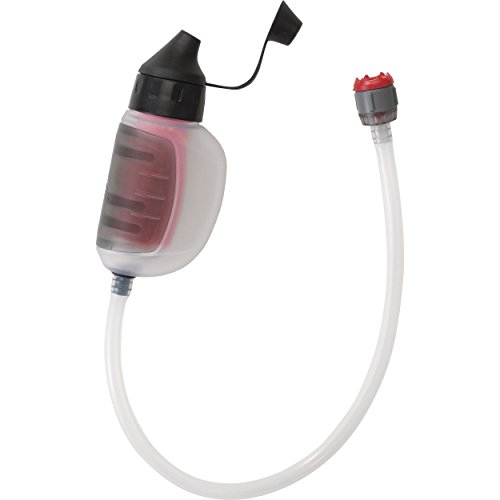 | Best Squeeze Filter | Filtration Type: Hollow fiber membrane | Power Source: Hand powered | Flow Rate: 1 L/min | VIEW LATEST PRICE | Read Our Analysis |
| BKLES 6-Stage Portable Water Filter with SOS Light |  | Best Battery Powered | Filtration Type: 6-stage ultrafiltration | Power Source: Battery powered | Flow Rate: 0.74 L/min | VIEW LATEST PRICE | Read Our Analysis |
| Yuclet Water Filter Straw 4 Pack Portable |  | Best Multi-Pack | Filtration Type: Hollow fiber + carbon | Power Source: No power required | Flow Rate: 600 ml/min | VIEW LATEST PRICE | Read Our Analysis |
| Purewell Portable Water Purifier Pump with Carbon Filter |  | Best Pump Purifier | Filtration Type: Hollow fiber + carbon | Power Source: Manual | Flow Rate: Up to 1400 ml/min | VIEW LATEST PRICE | Read Our Analysis |
| Katadyn BeFree Gravity Water Filter 3L | 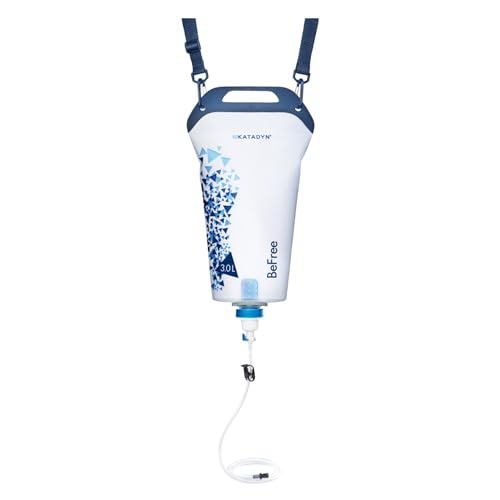 | Best Gravity Filter | Filtration Type: 0.1 micron hollow fiber | Power Source: Gravity-fed | Flow Rate: Up to 2 L/min | VIEW LATEST PRICE | Read Our Analysis |
| Katadyn Pocket Water Filter for Backpacking & Camping | 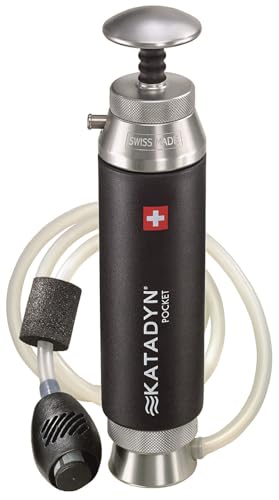 | Best Long-Term Filter | Filtration Type: Ceramic depth filter | Power Source: Manual | Flow Rate: 1 L/min | VIEW LATEST PRICE | Read Our Analysis |
| Survivor Filter PRO Portable Water Filter Pump |  | Best Virus Protection | Filtration Type: Triple ultrafiltration | Power Source: Manual | Flow Rate: 500 ml/min | VIEW LATEST PRICE | Read Our Analysis |
More Details on Our Top Picks
Katadyn BeFree 3.0L Water Filter (8019640)
In case you want a backpacking water filter that stays light, packs small, and works fast, the Katadyn BeFree 3.0L (Model 8019640) is a strong fit. You get a 0.1 micron hollow fiber filter that removes 99.9999% of bacteria and 99.9% of protozoa, so you can trust it for stream water. The 3-liter Hydrapak flask weighs just 3.53 ounces and collapses easily. You can drink at up to 2 liters per minute, use it via gravity or squeeze, and clean it through shaking. It’s made in Switzerland and suits solo trips or small groups.
- Filtration Type:0.1 micron hollow fiber
- Power Source:Non-electric
- Flow Rate:Up to 2 L/min
- Capacity:1,000 L
- Weight:100 g
- Emergency Use:Yes
- Additional Feature:3.0L soft flask
- Additional Feature:No backflushing required
- Additional Feature:Shake-clean EZ-Clean membrane
MSR TrailShot Ultralight Backpacking and Camping Squeeze Water Filter
The MSR TrailShot Ultralight Backpacking and Camping Squeeze Water Filter is a smart pick should you want a pocket-sized, one-handed filter that you can use fast on the trail. You get a 5.44-ounce, 6 x 2.4-inch unit that’s easy to stash in a vest or pack. Its hollow fiber membrane removes 99.9999% of bacteria and 99.9% of protozoa without chemicals. You can drink straight from sources, fill bottles, or top off hydration packs. It filters 1 liter in about 60 seconds, handles up to 2,000 liters, and shakes clean in the field.
- Filtration Type:Hollow fiber membrane
- Power Source:Hand powered
- Flow Rate:1 L/min
- Capacity:2,000 L
- Weight:5.44 oz
- Emergency Use:Yes
- Additional Feature:One-handed squeeze operation
- Additional Feature:Chemical-free filtration
- Additional Feature:Tube attachment included
BKLES 6-Stage Portable Water Filter with SOS Light
BKLES’s 6-stage BK2000 is a strong pick provided you want a lightweight backpacking filter that does more than just clean water: it uses double 0.01-micron ultrafiltration, pumps with battery power, and adds an SOS light for emergencies. You get six stages of protection, including PP cotton, KDF, and activated carbon, with claimed 99.999% purification. At 350 g, it’s easy to pack, and the 1.5-meter hose lets you draw from streams, lakes, and ponds. The quiet electric pump delivers about 0.74 L/min, so you can refill fast.
- Filtration Type:6-stage ultrafiltration
- Power Source:Battery powered
- Flow Rate:0.74 L/min
- Capacity:168,000 ml
- Weight:350 g
- Emergency Use:Yes
- Additional Feature:Built-in SOS light
- Additional Feature:6-stage filtration system
- Additional Feature:1.5-meter intake hose
Yuclet Water Filter Straw 4 Pack Portable
Yuclet’s Water Filter Straw 4 Pack Portable is a strong pick should you want a lightweight, no-power backup for camping, hiking, travel, or emergency kits. You get four SGS-certified personal filters that remove over 99.9999% of harmful substances and microplastics to 0.1 micron. Each unit can treat up to 1,300 gallons with proper care, supports water up to 1000 ppm TDS, and fits 28 mm bottles or gravity hoses. At 3.5 ounces, it’s easy to pack, store, and keep ready long term.
- Filtration Type:Hollow fiber + carbon
- Power Source:No power required
- Flow Rate:600 ml/min
- Capacity:1,300 gallons
- Weight:3.5 oz
- Emergency Use:Yes
- Additional Feature:SGS certified
- Additional Feature:Unlimited shelf life
- Additional Feature:28 mm bottle fit
Purewell Portable Water Purifier Pump with Carbon Filter
Purewell’s Portable Water Purifier Pump is a strong pick should you want a manual, freestanding backpacking filter that can turn rainwater, river water, or lake water into drinkable water without electricity. You get a multi-stage system with a 0.01-micron ultrafiltration membrane, activated carbon, coconut shell carbon, and PP cotton. It can reduce up to 99.9999% of common contaminants, including lead and chlorine. The pump weighs just 1 pound, includes a carry bag and tubing, and delivers up to 1,400 ml per minute. Its replaceable carbon cartridge can treat about 3,000 liters.
- Filtration Type:Hollow fiber + carbon
- Power Source:Manual
- Flow Rate:Up to 1400 ml/min
- Capacity:3,000 L
- Weight:1 lb
- Emergency Use:Yes
- Additional Feature:Transparent cup lid
- Additional Feature:Built-in compass
- Additional Feature:Rubber stability grips
Katadyn BeFree Gravity Water Filter 3L
The Katadyn BeFree Gravity Water Filter 3L is a strong pick should you want a hands-free, no-pumping water system for camping, backpacking, or hiking. You fill the 3-liter collapsible bag, hang it from a branch or trekking pole, and let gravity handle the work. Its 0.1 micron hollow fiber membrane removes bacteria, protozoa, cysts, and sediment, and it flows up to 2 L/min. At 6.4 ounces, it packs flat, uses BPA-free materials, and cleans easily by shaking or swishing. You can treat up to 1,000 liters.
- Filtration Type:0.1 micron hollow fiber
- Power Source:Gravity-fed
- Flow Rate:Up to 2 L/min
- Capacity:1,000 L
- Weight:6.4 oz
- Emergency Use:Yes
- Additional Feature:Hands-free gravity setup
- Additional Feature:Flat-pack collapsible bag
- Additional Feature:Hydration hose compatible
Katadyn Pocket Water Filter for Backpacking & Camping
Katadyn’s Pocket Water Filter stands out for backpackers and campers who need a rugged, long-lasting filter that can handle tough water conditions. You get a field-cleanable ceramic cartridge with 0.2-micron pores that removes bacteria and protozoa, even from silty water. It pumps up to 1 liter per minute and serves 1–4 people. The steel body feels durable, and the 20-ounce weight stays manageable. You can brush the element clean in the field, and it might filter up to 50,000 liters. It’s ideal whenever reliability matters most.
- Filtration Type:Ceramic depth filter
- Power Source:Manual
- Flow Rate:1 L/min
- Capacity:50,000 L
- Weight:20 oz
- Emergency Use:Yes
- Additional Feature:Ceramic cartridge
- Additional Feature:20-year guarantee
- Additional Feature:Rugged steel construction
Survivor Filter PRO Portable Water Filter Pump
Survivor Filter’s PRO Extender Series stands out should you want a rugged, manual pump that can pull water straight from fresh sources and filter it fast on the trail. You get a portable hand-pump purifier that weighs 12.8 ounces and uses triple filtration to remove bacteria, parasites, and viruses. It’s lab evaluated in the USA, removes 99.999% of assessed contaminants, and reduces heavy metals to NSF/ANSI standards. You can pump up to 500 ml per minute, and its 100,000-liter rating, lifetime warranty, extra filters, tubing, and backwashing kit make it a smart survival choice.
- Filtration Type:Triple ultrafiltration
- Power Source:Manual
- Flow Rate:500 ml/min
- Capacity:100,000 L
- Weight:12.8 oz
- Emergency Use:Yes
- Additional Feature:Virus removal
- Additional Feature:NSF heavy metals reduction
- Additional Feature:Backwashing syringe included
Factors to Consider When Choosing a Backpacking Water Filter System
Whenever you choose a backpacking water filter system, start with filtration pore size and make sure it matches the water sources you’ll face. Then weigh flow rate, weight, packability, and filter lifespan so the system fits your trip and your pack. Should you expect muddy streams, stagnant pools, or clear alpine water, pick a filter that can handle those conditions reliably.
Filtration Pore Size
Pore size is one of the key numbers to check on a backpacking water filter because it tells you what the filter can physically block. Measured in microns, it shows whether the filter stops bacteria, protozoa, and, with very fine membranes, some viruses. A 0.1–0.2 micron hollow fiber filter usually gives you the best balance for backcountry water, removing bacteria at 99.9999% and protozoa at 99.9%. Should you choose a 0.01 micron ultrafiltration model, you’ll get tighter protection, but you’ll also face more resistance and usually more effort. In silty water, fine pores clog faster, so prefilter initially. Don’t rely on pore size alone; check certification, test data, and rated capacity too.
Flow Rate Needs
Dial in flow rate to match how you actually travel: aim for at least 1 L/min for solo use and 2 L/min or more for small groups or cooking tasks so you’re not stuck waiting on water. Should you often filter cloudy sources, prioritize 1–2 L/min or better so repeated refills don’t slow camp chores. Gravity and squeeze systems usually deliver steadier flow with less effort than hand pumps, so choose the style you’ll use most. Also, note that flow drops as sediment builds up, especially in cold water, so pick a filter with cleanable parts or extra capacity up front. Give yourself margin above your minimum, because real-world conditions rarely match lab specs on the trail.
Weight And Packability
For multi-day trips, you’ll usually want a filter system that stays under about 6–8 oz (170–225 g) so it doesn’t become dead weight in your pack. That target keeps your load manageable without forcing you to sacrifice durability or usable capacity. Look for collapsed or flat-pack reservoirs, because they compress to near-zero volume when empty and free up useful space in your pack. Don’t judge the filter alone; add the hose, pump handle, and any replacement parts to the total. Should you want the lightest, lowest-bulk setup, hollow-fiber cartridges and straw-style filters can work well whenever you treat water often. Just bear in mind that shaving ounces can mean more careful handling and more maintenance planning on longer trips.
Filter Lifespan
Filter lifespan tells you how much water a system can treat before it needs replacement or regeneration, and it’s usually listed in liters or gallons—anywhere from about 1,000 to 100,000 L. That number matters because you don’t want your filter dying halfway through a trip. Hollow-fiber and ultrafiltration models often handle thousands of liters provided you backflush them, while ceramic cartridges can last tens of thousands with regular brushing. Activated-carbon cartridges usually wear out faster and might need replacement after a few hundred to a few thousand liters. Treat manufacturer claims as best-case numbers: should you skip cleaning, you’ll shorten service life fast. For long trips or group use, pack spare cartridges or bring a backup treatment method so you’re not stuck once capacity runs out.
Water Source Conditions
Water source conditions should shape your filter choice more than almost anything else. Should you usually fill up from clear, fast-moving streams, a standard mechanical filter could work well. In case you face stagnant ponds, lakes, or muddy runoff, expect faster clogging and plan for prefiltration. Pay attention to biological risks too: streams and lakes can carry bacteria and protozoa, and water near towns might also contain viruses or sewage-related pathogens. In silty glacial meltwater, choose a filter with a prefilter, ceramic, or ultrafiltration element, or be ready to clean it often. Also consider chemical pollution from farms or industry, since most backpacking filters won’t remove dissolved chemicals or heavy metals. Cold, limited water sources can further narrow your options.
Power And Operation
How you power and operate a backpacking water filter matters almost as much as the filter media itself. Should you want the lightest setup, choose a manual system like a squeeze, pump, or gravity filter; it won’t need batteries or electricity. Gravity and some squeeze filters can move up to about 2 L/min, which is great when you’re filling bottles or helping a group. Hand pumps and ultralight squeeze filters often run closer to 0.5–1 L/min, so they suit solo use and quick drinks. In case you need controllable output for containers, a pump helps. Electric or battery-assisted units can filter faster, but they add weight and depend on power. Also check temperature limits, since freezing can stop membrane systems from working properly.
Maintenance Requirements
Maintenance can make or break a backpacking water filter, so you should check what the element needs before you buy. Choose a filter you can clean in the field provided; ceramic and hollow-fiber elements often let you scrub or backflush them to restore flow, while some carbon cartridges only work upon replacement. Check the service life in liters and match it to your trip length and likely water quality, then pack spare elements as necessary. Silty water clogs filters faster than clear water, so anticipate more frequent cleaning in dirty sources. Also verify whether maintenance requires tools or disassembly, since simpler one-piece systems save time and reduce lost parts. Finally, follow storage guidance and protect membranes from freezing, because damage can shorten life.
Frequently Asked Questions
How Do I Clean a Clogged Backpacking Water Filter in the Field?
Backflush the filter with clean water exactly as the maker directs, then tap the housing lightly to shake loose grit. If flow stays slow, rinse the prefilter and soak it in clean water before filtering again.
Can Water Filters Remove Viruses From Backcountry Water Sources?
Usually not. You need a purifier or treatment that blocks viruses. Standard backpacking filters remove bacteria and protozoa, but viruses are smaller. Use chemical treatment, UV, or a purifier rated for viruses.
How Often Should I Replace a Backpacking Filter Cartridge?
Replace your backpacking filter cartridge when the flow slows, you see damage, or the manufacturer’s lifespan is reached. That way, you are not caught with weak filtration when you need clean water on the trail.
Are Gravity Filters Better Than Squeeze Filters for Group Trips?
Yes, gravity filters usually work better for group trips because they can produce larger amounts of filtered water without constant handling. Squeeze filters fit better when you need a lighter setup, quicker refills, or water for only a small number of people.
What’s the Best Way to Store a Water Filter Between Trips?
Let the filter air dry until no moisture remains, then keep it uncapped in a mesh pouch or hang it in a clean, dry spot. This helps keep mold away, maintains flow rate, and lengthens the filter’s service life between trips.