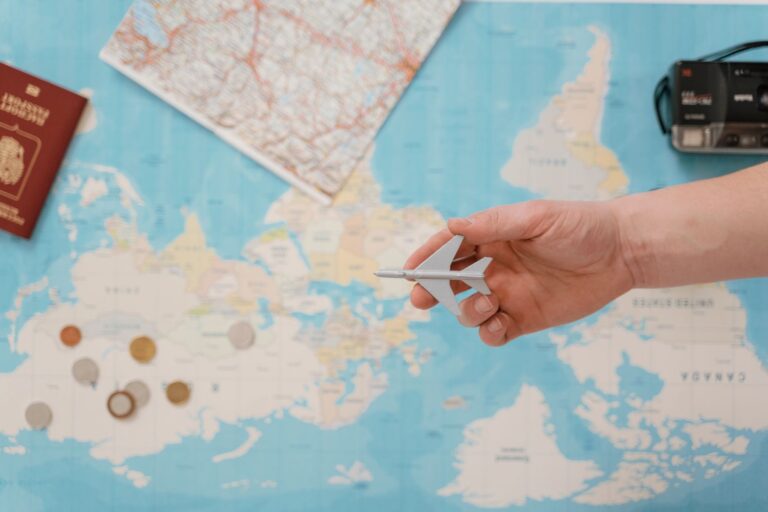

A well-planned cross-country road trip can be smooth, safe, and full of memorable stops. Pick the best season, map a flexible route, set a realistic budget, and schedule rest days to avoid fatigue. Pack gear for changing weather and basic vehicle repairs, plus essentials like water, snacks, and a first-aid kit. Check tire pressure, fluids, brakes, and lights before departure and at major stops. Leave space for unexpected detours and local finds that turn routine miles into great stories.
Choose the Best Time to Go
As you pick the right season for a cross-country road trip, the whole voyage can feel easier, safer, and a lot more fun. You’ll fit right in whenever you choose a time that matches your comfort and your goals.
Many drivers love the shoulder seasons because they bring milder crowds and calmer roads. Spring and fall often give you nicer days and brighter views, which can lift your mood mile after mile.
Still, you should watch weather patterns before you lock in your dates. Storms, heat, and sudden cold snaps can change fast across the country. So check forecasts for every region you’ll cross, and leave a little room to shift your plans. That flexibility helps you feel prepared, not rushed, and it keeps the trip feeling friendly.
Plan Your Cross-Country Road Trip Route
Start via mapping your key stops so your route feels clear and intentional, not rushed or random.
Then balance your drive times so you can enjoy the trip without ending each day feeling wiped out.
After that, add a few scenic detours that make the miles feel more memorable and give you something fun to look forward to.
Map Key Destinations
Before you lock in your route, map out the key destinations that matter most to you, because the best cross-country trip feels personal, not rushed.
Start with the places that spark excitement, like iconic landmarks, small towns with a real hometown feel, and regional festivals that let you join the crowd. Then mark each stop on your map so you can see how they fit together. This helps you build a route that feels connected, not random.
You can also mix famous sights with quiet spots, so your trip gives you both energy and breathing room. Whenever you choose destinations with care, you make space for memories, shared laughs, and the simple joy of being exactly where you want to be, with people who get your vibe.
Balance Drive Times
Once you’ve picked the stops that matter most, it’s time to shape the drive itself so the trip feels fun instead of tiring. You want each day to feel doable, not like a trial of endurance. Aim for steady mileage that fits your crew’s energy, and leave room for rest breaks before anyone gets grumpy.
Should you’re sharing the wheel, plan driver swaps at places where you can stretch, snack, and reset together. That helps everyone stay alert and feel like part of the team. Also, watch the total hours behind the wheel, not just the map distance. A shorter day can feel better than a long grind.
Whenever you balance drive times well, you make space for good moods, easy conversations, and a smoother ride for everyone.
Plan Scenic Detours
Provided your drive times already feel balanced, you can use the extra breathing room to add a few scenic detours that make the whole trip feel more alive. Choose routes that fit your crew, not just your map. A short stop on historic roadways can give you a fresh story to share at dinner, while wildlife overlooks let you stretch, breathe, and spot something wild together.
Check road conditions, then build in time for photos, snacks, and those little surprises that make travel feel like your own escapade. You don’t need a packed schedule to feel connected. In fact, the best detours often turn strangers into travel buddies and tired drivers into smiling teammates, which sure beats staring at the same highway sign for hours.
Set a Cross-Country Road Trip Budget
Start using estimating your total trip costs, including gas, food, lodging, tolls, and any tickets or park fees you know you’ll face.
Then plan a daily spending limit so you can keep your money on track without feeling stressed at every stop.
Finally, build a cushion for surprise repairs, weather changes, or that extra snack run you swore you didn’t need.
Estimate Total Trip Costs
A clear budget can calm the whole trip before you even hit the road, because being aware of your costs helps you make smart choices with less stress.
Start by estimating fuel, then compare routes for fuel efficiency and toll avoidance, since both can change the total a lot.
You can also add the big fixed costs that keep your plan steady and your group feeling prepared.
- Gas for the full route
- Hotel or campground fees
- Food and drinks on the way
- Parking, tolls, and road extras
When you total these pieces, you see the real scene instead of guessing.
That clarity helps you travel with confidence, and it keeps your crew on the same page from day one.
Plan Daily Spending
Once you know your full trip cost, you can break that number into smaller daily chunks so the budget feels easier to handle. Whenever you do that, you’ll see what each day can safely cover, from fuel to meals and a quick snack stop with your crew. Use this simple guide to shape your plan:
| Daily item | Goal |
|---|---|
| Fuel | Stay on target |
| Food | Keep choices steady |
| Lodging | Match your route |
| Fun stops | Protect your budget |
| Extra spending | Stay in control |
Next, tuck money into cash envelopes for each category. Then do daily tracking in your notes app or planner so you always know where your money went. That steady check-in helps you feel organized, calm, and part of a road trip rhythm that actually works.
Build A Cushion
Even the best road trip plans need a little breathing room, because surprise costs have a way of sneaking in whenever you least expect them. Build a cushion into your budget so you don’t feel squeezed whenever a tire goes flat or a motel costs more than planned. You’re not being cautious for nothing; you’re protecting the fun you came for.
- Set aside an emergency fund for repairs, food, and last-minute changes.
- Keep cash ready for tolls, parking, or small-town stops.
- Add money for spare days whenever weather or traffic slows you down.
- Leave room for one extra treat, so the trip still feels special.
Whenever you give yourself this backup, you can relax more and enjoy the road with your crew.
Book Lodging and Campsites Early
Since the best roadside spots fill up fast, book your lodging and campsites as soon as your route starts to take shape. You’ll feel calmer whenever each night has a place waiting for you, and your trip will start to feel like a shared plan instead of a scramble. Check popular parks, motels, and family-run stays initially, because they often disappear ahead of schedule on busy weekends.
In the event you travel with a pet, confirm pet accommodations before you click reserve. Also, read the seasonal cancellation rules so you can keep your plans flexible without losing money. Then, match your stops to your driving pace, so you’re not chasing a room after dark. A little advance booking now helps you join the road with less stress and more comfort.
Pack Cross-Country Road Trip Essentials
Now that your route and nights are taking shape, it’s time to pack the things that keep the whole trip running smoothly. You don’t need to overpack, just bring what helps you feel ready and cared for.
A smart kit gives you peace of mind whenever the road gets long and the nearest store feels far away. Keep your essentials in one easy-to-reach bag so you’re not digging around at every stop.
- initial aid kit with bandages and pain relief
- travel sized toiletries for quick freshups
- phone charger and backup battery
- water bottle, snacks, and a light jacket
Whenever you pack like this, you help your whole crew stay calm, comfortable, and connected. That’s the kind of road trip energy that makes everyone feel like they belong.
Plan Fun Stops Along the Way
Along the way, fun stops can turn a long drive into part of the escapade, not just the ride between places. You can build your route around roadside attractions that spark smiles, like giant statues, quirky museums, or scenic overlooks.
Then, mix in local festivals so you can taste regional food, hear live music, and meet people who love their town. These stops help you feel connected to the places you pass through, not just the miles.
To keep the trip flowing, pick a few must-see spots and leave room for surprise detours. That way, you and your travel crew can enjoy the expedition together, share stories, and make the road feel a little more like home.
Stay Safe and Flexible on the Road
Even the best-planned road trip can hit a few bumps, so it helps to stay calm, alert, and open to change. You’re part of a road-going crew now, and that means watching the weather, checking tire pressure, and keeping water close. Share your route with emergency contacts before you leave, then keep their numbers handy in your phone and glove box.
Should traffic stall or a storm roll in, use diversion strategies like taking a safer exit, resting at a busy gas stop, or shifting your schedule an hour earlier.
- Pack a flashlight and basic first-aid kit
- Keep snacks where you can reach them quickly
- Listen for road alerts and closures
- Trust your instincts when a place feels off
Frequently Asked Questions
How Do I Keep My Car Comfortable for Long Drives?
Adjust seat cushions and lumbar support, set climate control comfortably, and use window shades to reduce glare. You will stay relaxed, supported, and part of a smoother, more enjoyable drive together.
What Should I Do if My Phone Loses Signal?
If your phone loses signal, stay calm and use offline maps to navigate. You can also carry a satellite communicator for emergencies so you will always feel connected and confident even when you are far from help.
How Can I Entertain Kids During the Trip?
You can keep kids happy with a road trip scavenger hunt, travel themed audiobooks, and frequent snack breaks. Let them pick games too, and they will feel included, engaged, and part of the escapade.
What Documents Should I Carry While Crossing States?
You should carry your driver’s license, vehicle registration, insurance proof, passport photocopy, and vaccination card copy. Keep them handy, and you will feel prepared, welcomed, and confident wherever your trip takes you.
How Do I Handle Toll Roads and Cashless Payments?
You’ll handle toll roads smoothly by checking routes initially, using automatic transponders, and setting up prepaid accounts. Keep funds topped off and watch lane signs so you stay with the pack and remain stress free.