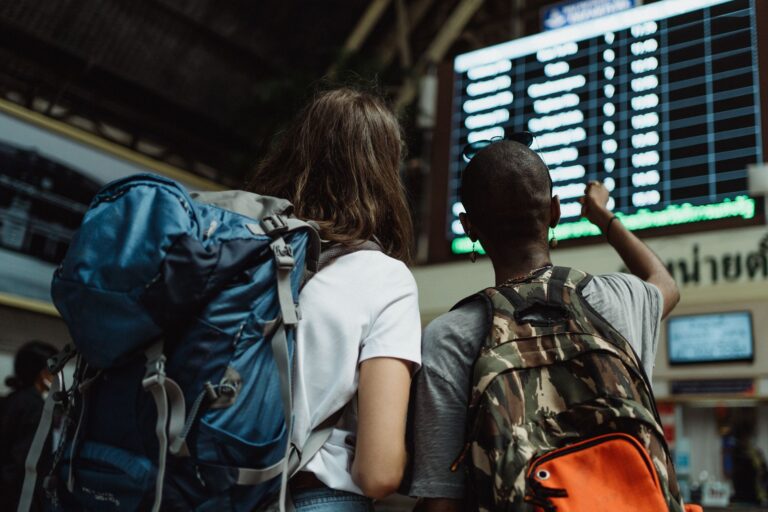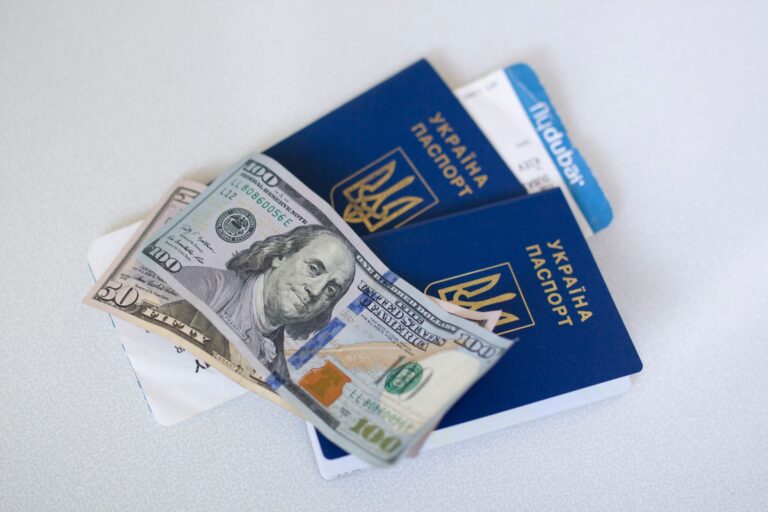

Solo travel can be safe and freeing with a few smart choices. Pick a well-reviewed place in a secure neighborhood and schedule arrival during daylight. Research local transit and emergency contacts before departure. Share a detailed itinerary with trusted contacts and keep your phone charged with backup power. Pack light, carry copies of documents, and trust practical instincts to stay aware.
Plan Your Solo Trip Before You Go
Before you book anything, take time to plan your solo trip with care, because a little prep can save you a lot of stress later.
Start by mapping your route options so you can compare time, cost, and comfort.
Then check your dates, transport links, and arrival times so you’re not rushing after dark.
Next, share your plan with someone you trust, and save key details in your phone and on paper.
You’ll also want to buy travel insurance, since it can protect you once plans change or bags go missing.
Finally, pack the basics you know you’ll use, and keep copies of your ID handy.
Whenever you plan well, you travel with more calm, more confidence, and a stronger sense that you belong on the road.
Choose Safe Solo Travel Destinations and Stays
A safe trip starts with the right place to go and the right place to sleep. Choose cities and areas that feel calm, walkable, and well reviewed by other travelers. Check neighborhood safety before you book, and look for spots with easy transit, bright streets, and nearby services.
Whenever you compare stays, pick hosts or hotels with clear photos, strong ratings, and recent feedback from solo guests. That helps you feel less alone from the start. Also, read local etiquette so you can fit in with respect and confidence. A place that matches your style can lower stress fast.
Should a district feel off in your gut, trust that feeling and keep looking. You deserve a stay that feels steady, welcoming, and easy to settle into.
Pack Solo Travel Safety Essentials
Once you’ve picked a place that feels safe and easy to find your way around, it’s time to pack with that same calm mindset.
Put your safety gear where you can reach it fast. Pack travel sized alarms, a phone charger, a small flashlight, and a basic first aid kit. Add an RFID blockers pouch for your cards and passport, so your details stay tucked away from casual scans. Choose a crossbody bag with zippers, and keep only what you need in it each day. You’ll feel more at ease once your things have a simple place and you know where they are. That steady setup helps you move through new spaces with confidence, and it can make you feel like you belong a little sooner.
Share Your Itinerary With Someone You Trust
You should share your travel plans with someone you trust before you go, so at least one person knows where you’ll be and in what circumstances.
Update that contact should your route, hotel, or plans change, because small changes can matter later.
Set clear check-in times too, so your trusted person knows at what point to expect a quick message and can notice should something feel off.
Share Travel Plans
Before you head out, share your travel plans with someone you trust so you’re not carrying the whole trip alone. Send your route, hotel names, flight numbers, and rough check-in times. Keep one person in the loop who can spot trouble in case you can’t reach them. Add document copies of your passport, visa, and insurance so they can help fast should something go wrong.
Should you miss a message, they should know at what point to call a local emergency number or contact your airline. You don’t need to overshare every detail, just enough to keep you connected and protected. That small circle of support can ease stress, help you feel less alone, and make your trip feel safer from the start.
Update Trusted Contact
A trusted contact can help most whenever they always have your latest plans, so keep that person updated as your trip changes.
You’ll feel steadier whenever one person knows where you sleep, ride, and discover. Share your hotel name, city, and flight numbers, then add any new stops right away. In case plans shift, send a quick message and the new address. Keep embassy contacts and a local emergency number in the same message, so help is close.
| Item | What to Share | Why It Helps |
|---|---|---|
| Lodging | Name and address | Easy location |
| Transit | Flight or train details | Tracks movement |
| Changes | New routes | Cuts confusion |
| Help | Local emergency | Faster response |
| Support | Embassy contacts | Better backup |
Set Check-In Times
Set check-in times before you head out so someone back home knows at what point to expect word from you. Pick moments that fit your route, like after you land, before dinner, or during evening check ins.
Keep the schedule simple enough that you can follow it even when plans shift. Then share the details with your trusted person, including how you’ll reach them and what to do should you miss a message.
In case you want extra ease, set automated alerts on your phone so you don’t forget while you’re busy exploring. This small habit helps you feel connected, and it gives the people who care about you a clear way to stay in touch.
Even on a packed day, you’ll know someone’s looking out for you.
Stay Connected Without Oversharing
Provided you travel alone, staying in touch can make you feel safer, but sharing every detail can put your privacy at risk. Keep your circle small and use encrypted messaging for quick updates with people you trust. Then add temporary eSIMs so you can text, call, and map your route without giving out your main number. You don’t need to post every stop to feel close to home; a simple check-in can do that job well.
- Share your hotel name only with trusted contacts
- Send arrival times, not your full schedule
- Turn off public location tags
- Use a backup phone number for bookings
- Delete old travel posts before new trips
Trust Your Instincts in New Places
Whenever you’re in a new place, pay attention whether a street, room, or person feels off, even though you can’t explain why.
Your body often notices trouble before your mind does, so trust that quiet warning and give yourself space to step back.
Whenever something feels wrong, you don’t need to prove it, you just need to listen and choose the safer path.
Recognize Uneasy Situations
A small knot in your stomach can be worth listening to, because your body often notices danger before your mind fully catches up. Whenever a place feels off, notice body language cues like stiff smiles, closed doors, or people watching too closely. You might also feel uneasy around unfamiliar routines, like odd check-in steps or sudden rule changes. That feeling matters because it helps you spot tension promptly.
- Step back and scan the room.
- Stay near other travelers.
- Keep your phone ready.
- Leave should a situation feel wrong.
- Choose a safer path quickly.
You don’t need to prove anything to anyone. In case the mood shifts, trust that signal and protect your peace. That’s how you stay grounded, welcome, and safer on the road.
Follow Inner Signals
Trusting your instincts can feel simple in theory and hard in the moment, but your inner signals are often the fastest safety tool you carry.
If a street, room, or person feels off, pause and notice your body signals. Your shoulders might tighten. Your stomach could dip. Your breath might shorten. Those clues matter.
Keep Your Belongings Secure on the Move
Keep your bag close, because small lapses can turn into big headaches fast. You’re not being paranoid, you’re being smart and part of the traveler crowd. Use secure zippers and keep a tethered bag on your body whenever you move through busy places.
- Wear your bag crossbody.
- Hold it in front in crowds.
- Split cash and cards.
- Keep phones in zipped pockets.
- Check straps often.
Whenever you pause, place your bag where you can see it, not behind you. In case you carry a backpack, lock the main compartment and avoid opening it in public. A little care helps you stay relaxed, confident, and welcome in every new place.
Use Transportation Safely as a Solo Traveler
Once you step out to catch a bus, train, taxi, or rideshare, your safety habits need to travel with you too. On public transport, stay near other riders, keep your phone charged, and notice the stop name before you sit down. Should you be able, choose seats close to the driver or conductor.
Whenever you book a rideshare, match the plate, driver photo, and car model before you get in. Share your trip with someone you trust, and let them know upon your arrival. At night, wait in bright, busy areas instead of empty curbs. Also, trust your gut provided a route or vehicle feels off. Small checks like these help you feel grounded, welcome, and ready to move with confidence.
Avoid These Solo Travel Safety Mistakes
You can make smart solo travel choices by avoiding two big mistakes: skipping local research and sharing too much online.
Once you learn the basics about your destination, you’re less likely to get caught off guard by unsafe areas, common scams, or local rules. And if you post every move in real time, you can give strangers more information than they need, so it’s better to share the fun after you’re safely back.
Skipping Local Research
Before you land in a new place, take time to learn how it really works, because skipping local research can leave you open to avoidable risks. Check local customs so you don’t miss signs that help you fit in.
Then read neighborhood reviews to spot areas that feel lively, calm, or tricky after dark. You can also learn which transport options feel trusted and which streets locals avoid.
- Learn the dress norms
- Observe common greetings
- Compare recent reviews
- Spot busy, safer routes
- Ask hosts for tips
When you understand the place a little, you move with more confidence and feel less alone. That small effort helps you blend in, trust your choices, and enjoy the trip without second-guessing every step.
Sharing Too Much Online
Sharing your trip online can feel fun in the moment, but it can also give the wrong people clues about where you’re and where you’re headed.
You don’t need to disappear from your feed, though. Just slow down before you post. Check your privacy settings so only people you trust can see your updates. Skip live location tags, hotel names, and real-time check-ins.
Share photos after you leave a place, and keep your digital footprint smaller than your excitement.
Should you want to tell friends you’re safe, send a private message instead of posting for everyone. That way, you still stay connected and feel part of the moment without handing strangers a map.
A little caution can help you keep your trip joyful, personal, and much safer.
Have a Backup Plan for Emergencies
Whenever a trip takes an unexpected turn, having a backup plan can keep a scary moment from becoming a full-blown crisis. You’ll feel calmer whenever you know who to call, where to go, and how to pay for help. Keep an emergency fund in a separate account or card so you’re not stuck scrambling. Save local emergency numbers, your country’s embassy, and a trusted contact back home. In case you travel far from major cities, check whether medical evacuation is included in your insurance. Also keep copies of your passport, prescription list, and health details in your bag and phone. Once the unexpected hits, your plan helps you stay steady and connected.
- Store cash in two places
- Share your route with one person
- Keep insurance details handy
- Take note of nearby clinics and hospitals
- Charge your phone nightly
Follow Safer Solo Travel Habits
Good backup planning matters, but your day-to-day habits matter just as much, because small choices can keep you safer from the start. Whenever you walk, stay with well-lit streets and keep your phone tucked away unless you need it. Choose visibility measures like bright clothing at night and a small light on dark paths.
Next, trust your situational awareness. Notice who’s around you, where exits are, and whether anyone seems too close. Also, share your location with someone you trust, and check in often. In case a place feels off, leave promptly and head to a busier spot. You don’t need to feel nervous all the time. You just need to stay alert, calm, and ready to move with the crowd as necessary.
Frequently Asked Questions
How Do I Meet People Safely While Traveling Alone?
Join tours and attend meetups where lantern lit laughter feels welcoming; you’ll meet people naturally. Share your plans, trust your instincts, and keep initial chats in public spaces so you can belong without risking your safety.
What Should I Do if I Lose My Passport Abroad?
Contact local police and your embassy immediately, then replace your passport through their guidance. Use your emergency contacts, stay connected, and lean on fellow travelers or hosts; you are not alone and help is available fast.
How Can I Handle Loneliness on Solo Trips?
You can handle loneliness by reaching out intentionally: join volunteer programs, start journaling daily, and say yes to group tours or café chats. You will build connections, feel seen, and create belonging wherever you go.
Is Travel Insurance Worth It for Solo Travelers?
Yes, you should usually buy it. Policy coverage can protect your budget, and emergency evacuation matters if you get stranded. You will feel less alone knowing someone has your back once plans go wrong.
How Do I Know if a Neighborhood Is Safe at Night?
You’ll know a neighborhood is safe at night when the local vibe feels calm, streets stay busy, and lighting levels are bright; trust your gut, ask locals, and if doubt lingers, leave swiftly.