
Picking the right backpacking tent can change how far and how comfortably you travel. A lighter tent helps keep your pack manageable, while a sturdy one handles rough weather better.
Space, packed size, and setup speed all matter on the trail. These eight tents cover solo, two-person, and cold-weather trips, so finding one that fits your style is easy.





More Details on Our Top Picks
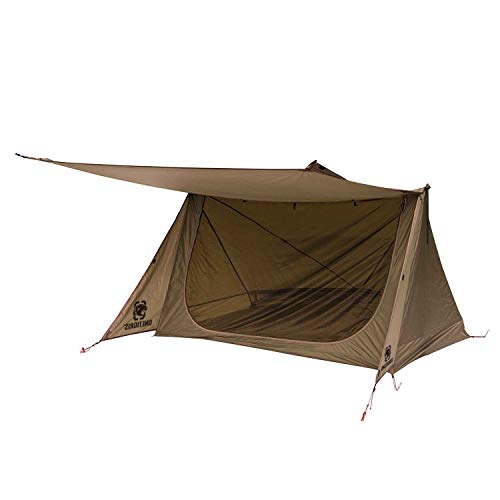
OneTigris Backwoods Bungalow Bushcraft Shelter Tent
Should you want a lightweight shelter that works as both a backpacking tent and a bushcraft setup, the OneTigris Backwoods Bungalow Bushcraft Shelter 2.0 is a strong fit for you. You get a 2-person, 3-season shelter with 1500 mm waterproof nylon, treated seams, and sturdy YKK zippers. It weighs 3.2 pounds, packs small, and includes 10 aluminum stakes plus 6 guy-lines. You can pitch it with sticks, trekking poles, or between trees. Mesh ventilation, closable flaps, and a lantern hang point help you stay comfortable while you camp, hike, or travel.
- Capacity:2-person
- Seasons:3-season
- Weight:1450 g
- Pole Type:No poles included
- Doors:1 door
- Water Resistance:1500 mm
- Additional Feature:Porch-to-A-frame conversion
- Additional Feature:Tree-hung setup option
- Additional Feature:Double-layer mesh entrance
Naturehike Mongar 2 Person Ultralight Backpacking Tent
The Naturehike Mongar 2 Person Ultralight Backpacking Tent is a smart pick should you want a lightweight, easy-to-carry shelter that still gives two campers solid room and weather protection. You get 3000 mm waterproofing on the fly and floor, plus a breathable B3 mesh inner that helps keep bugs out. Its 7001 aluminum poles and Y-frame, free-standing design make setup quick and stable. With two doors, two vestibules, and over 30 sq ft inside, you can store gear and sleep comfortably. It weighs 5.3 pounds and packs small.
- Capacity:2-person
- Seasons:3-season
- Weight:5.3 lbs
- Pole Type:7001 aluminum alloy
- Doors:2 doors
- Water Resistance:3000 mm
- Additional Feature:Two vestibules
- Additional Feature:Y-frame freestanding design
- Additional Feature:Sewn-in setup instructions
ALPS Mountaineering Backpacking-Tents Lynx 1
Looking for a light, freestanding solo tent that’s easy to pitch and built for three-season trips? The ALPS Mountaineering Lynx 1 gives you a 1-person dome design with aluminum poles and quick clip-on assembly, so you can set up fast after a long day. You get 3.3 pounds trail weight, a 17 x 5-inch packed size, and a 36-inch peak height. Its half-mesh body enhances airflow, while the 1500 mm rainfly and 2000 mm floor help keep you dry. With a vestibule, mesh pockets, and a limited lifetime warranty, it’s a solid pick.
- Capacity:1-person
- Seasons:3-season
- Weight:4 lbs 1 oz
- Pole Type:Aluminum
- Doors:1 door
- Water Resistance:1500-2000 mm
- Additional Feature:Gear loft included
- Additional Feature:Mesh storage pocket
- Additional Feature:Extra-large #8 zippers
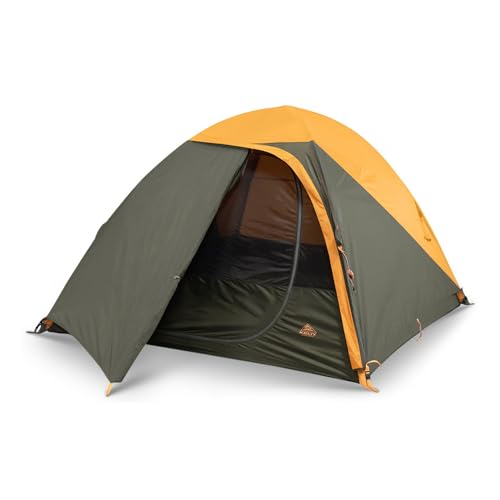
Kelty Grand Mesa Backpacking Tent 2P or 4P
Kelty’s Grand Mesa Backpacking Tent in the 2P or 4P setup is a smart pick should you want a lightweight, freestanding 3-season shelter that’s easy to pitch and relocate at camp. You get a square, single-room design with two compact aluminum poles, color-coded clips, and Quick Corners that speed setup to about five minutes. The 68D polyester body, floor, and fly, plus fully taped seams, help keep weather out. The 4P adds 54 square feet, a 56-inch peak, and a 6-square-foot vestibule. Kelty backs it with a limited lifetime warranty.
- Capacity:2P or 4P
- Seasons:3-season
- Weight:4 lbs 1 oz to 7 lbs 7 oz
- Pole Type:Aluminum pressfit
- Doors:1 door
- Water Resistance:3300 mm
- Additional Feature:Kelty Quick Corners
- Additional Feature:Color-coded clip system
- Additional Feature:EZ-Zip vestibule
Clostnature Lightweight Backpacking Tent for 1-4 People
Clostnature’s Lightweight Backpacking Tent stands out for hikers and campers who want a simple, budget-friendly 3-season shelter that’s easy to carry and quick to pitch. You get a freestanding dome design with aluminum poles, sealed seams, and PU 5000 waterproofing for dependable weather protection. The 1-person version weighs 4.0 pounds total, packs down to 15 x 5.1 x 5.1 inches, and sets up in about 3 minutes. You’ll also appreciate the mesh walls, side vestibule, stakes, guylines, and repair kit. It’s a practical pick for backpacking, bikepacking, and car camping.
- Capacity:1-4 person options
- Seasons:3-season
- Weight:4.0 lbs
- Pole Type:Aluminum
- Doors:1 door
- Water Resistance:PU 5000
- Additional Feature:Pole repair kit
- Additional Feature:One large side vestibule
- Additional Feature:Three-minute setup
OneTigris Stella 4 Season Waterproof Camping Tent
The OneTigris Stella 4-Season Waterproof Camping Tent is a strong pick should you want a lightweight, cold-weather-ready shelter that still packs down small for backpacking. You get a dome-shaped 2-person tent with a 3000 mm waterproof shell, removable blackout outer, and breathable mesh inner for better airflow. Its aluminum poles and clip setup help you pitch it in about 3 minutes. At 4.4 lb, it’s easy to carry, and the 28.29 sq ft floor gives you decent room. You also get 10 stakes, 4 guy lines, and a storage bag.
- Capacity:2-person
- Seasons:4-season
- Weight:4.4 lbs
- Pole Type:Aluminum
- Doors:1 door
- Water Resistance:3000 mm
- Additional Feature:Removable blackout outer tent
- Additional Feature:Dome apex cross poles
- Additional Feature:Four-corner anchoring
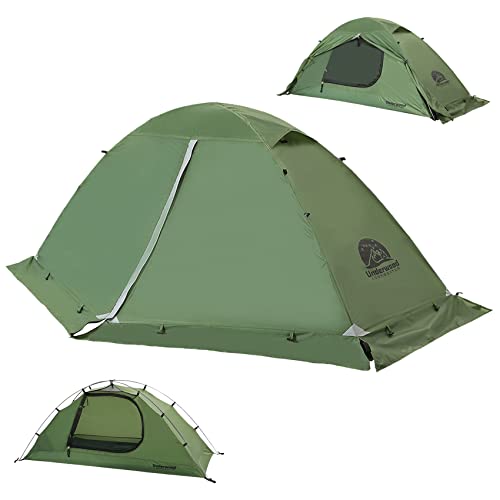
Underwood 4-Season Backpacking Tent for 1-2 Persons
Underwood’s 4-season backpacking tent is a solid pick should you want a lightweight, storm-ready shelter that still packs down small for one-person trips. You get a freestanding dome with a PU 5000mm rain fly, waterproof floor, and a snow skirt for rough weather. At 4 pounds, it’s easy to carry, and the 86.6-by-31.8-inch floor gives you a snug solo layout. Two aluminum poles, 12 stakes, and four guy lines help you pitch it fast. Inside, you’ll find one pocket, a lantern hook, and double-layered ventilation.
- Capacity:1-person
- Seasons:4-season
- Weight:4 lbs
- Pole Type:Aircraft-grade aluminum
- Doors:1 door
- Water Resistance:PU 5000 mm
- Additional Feature:Snow skirt included
- Additional Feature:Double-layered door
- Additional Feature:Duraflex fasteners
Big Agnes Copper Spur HighVolume Ultralight Backpacking and Camping Tent
Big Agnes’ Copper Spur HighVolume Ultralight is a strong pick should you want a true 2-person backpacking tent that stays light at just 1.28 kg while still giving you real comfort on trail. You get a dome-style, free-standing shelter with two doors, two vestibules, and 29 sq ft of floor space, plus 88 inches of headroom. The pre-bent pole and TipLok buckle make setup quick, and the waterproof 1200 mm fly helps in wet weather. Inside, you’ll appreciate the gear pockets, off-floor bin, and mtnGLO lights for easy nighttime use.
- Capacity:2-person
- Seasons:3-season
- Weight:1.28 kg
- Pole Type:Aluminum
- Doors:2 doors
- Water Resistance:1200 mm
- Additional Feature:mtnGLO LED lights
- Additional Feature:TipLok Tent Buckle
- Additional Feature:3-D bin mezzanine
Factors to Consider When Choosing the Best Backpacking Tents
Whenever you choose the best backpacking tent, start alongside balancing weight with the space you need for your gear and sleeping setup. You’ll also want solid weather resistance, good ventilation, and a design that sets up quickly following a long day on the trail. Focusing on these essentials helps you pick a tent that fits your trips and keeps you comfortable in changing conditions.
Tent Weight
Tent weight matters more than most hikers initially realize, because every extra ounce you carry can affect your energy over long miles. You should look at trail weight first, since it includes the tent body, fly, poles, stakes, and footprint you actually haul. For ultralight trips, aim for 1–2 lb for a solo shelter or 2–4 lb for a two-person setup. Check minimum sleeping weight too, because skipping extras can trim several ounces or even more than a pound. Packed size matters as well: a small, balanced tent rides better in your pack and feels lighter on the trail. Seasonal design changes weight too, so 3-season models stay lighter while 4-season tents add bulk and sturdier protection. Divide weight per person when you share the load.
Capacity Needs
Capacity needs aren’t just about how many sleepers a tent lists on the tag—they’re about how much real space you need for sleep, gear, and comfort. A 2-person tent often feels tight for two adults, especially when you also require room for packs. Should you seek that extra space, step up to a 3-person footprint or pick a model with a roomy vestibule. Check floor area and length too: aim for at least 20–30 square feet for two people, plus a floor that’s 6–8 inches longer than the tallest sleeper. In case you hike solo but want gear space, a 1.5- to 2-person tent gives you comfort without much added weight. For multi-day trips, stay compact; for basecamp use, prioritize space.
Weather Resistance
Weather resistance matters most whenever the forecast turns ugly, so you’ll want a tent that can handle real rain, wind, and even premature snow. Check the fly and floor waterproof ratings initially: aim for roughly 1,500–3,000 mm on the fly and 2,000–5,000 mm on the floor to block heavy rain and soaked ground. Make sure the seams are factory-taped or seam-sealed, and confirm the zippers and doors use storm flaps or layered closures. For wind and snow, inspect pole hubs, attachment points, reinforced corners, and guyline anchors that help the tent stay planted. Then match the season rating to your trips: 3-season tents suit milder weather, while 4-season models use tougher fabrics and stronger frames for harsher conditions.
Ventilation Features
As you’re choosing a backpacking tent, ventilation can make the difference between a dry, comfortable night and waking up to a soggy interior. Look for a dual-layer design: mesh inner walls enhance airflow and keep bugs out, while a rainfly shields you from weather and helps cut condensation. Multiple vents, such as high and low openings or adjustable vestibules, promote cross-flow and reduce moisture buildup in warm or humid conditions. More mesh in the tent body increases breathability, but it can also reduce warmth and privacy, so match mesh coverage to the season and forecast. Adjustable vent closures and zippered mesh panels let you fine-tune airflow and block wind-driven rain. Two doors and vestibules can also improve cross-ventilation and help dry wet gear.
Setup Simplicity
Once you’ve narrowed down airflow and condensation control, setup simplicity is the next thing that can make or break your campsite experience. You’ll save time and frustration with freestanding tents that use clip-on poles or hub systems, since they often go up in under 10 minutes without staking initially. Two-pole or pre-bent hub designs also make alignment easier and cut down on fiddly adjustments. Look for color-coded clips, sleeves, stake points, and guylines so you can pitch confidently in fading light. A simple two-piece build with an inner tent and rainfly is faster than shelters that add tarps, vestibules, or tricky tensioning. In case you’re going solo, fewer poles and parts mean fewer steps whenever wind or rain starts.
Packed Size
Packed size matters because it tells you how easily a tent will fit inside your pack or strap to the outside. Check both length and diameter, plus the compressed volume, before you buy. Ultralight tents usually pack to about 15–20 inches long and 4–6 inches wide, so they suit smaller packs. Bigger family or four-season models often take far more space. Consider about shape, too: long, narrow sacks work well for poles, while short, wide ones slip into top lids or hip-belt pockets more easily. Don’t forget stakes, poles, and a footprint; the full kit can pack much larger than the tent body alone. Should you bike, kayak, or ride a motorcycle, aim for a very compact package under about 20 x 6 inches.
Durability Materials
Durability starts with the materials you choose, and it’s worth looking past weight alone. You’ll get better tear and abrasion resistance from high-denier fabrics like 40D–75D nylon or 68D polyester, especially whenever they use ripstop weave. Check that the fly and floor have PU or silicone coatings, plus factory-taped or waterproof-treated seams, so rain won’t seep in. Pay attention to hydrostatic head ratings, since higher numbers usually mean stronger water protection. Strong poles matter too: 7000-series or 6000-series aluminum, along with solid hub or shock-corded systems, handle repeated flexing better. Don’t ignore hardware. Heavy-duty zippers, reinforced webbing, and sturdy buckles or grommets help your tent survive wind, snow, and constant setup. UV-resistant coatings also extend life.
Frequently Asked Questions
What Tent Size Is Best for Solo Backpacking?
For solo backpacking, a 1 person tent is usually the best choice, or a roomy 1.5 person tent if you want extra space for gear. It keeps your pack lighter, fits better on tight campsites, and still gives you enough room to sleep comfortably.
How Much Should a Lightweight Backpacking Tent Weigh?
For a solo setup, aim for 2 to 4 pounds. For two people, 4 to 6 pounds is a practical range, with the exact weight depending on how much comfort, durability, and weather resistance you want.
Are Four-Season Tents Necessary for Summer Trips?
No, a four season tent is usually unnecessary for summer trips. A three season tent is lighter and breathes better, unless you expect strong winds, severe storms, or chilly nights.
How Do I Maintain a Backpacking Tent in Wet Conditions?
Roughly 30% of tent failures are tied to moisture. Protect your tent by choosing elevated ground, wiping away condensation each day, letting it dry before packing, and storing it without compression so mildew has little chance to form.
What Is the Best Tent Setup for Windy Campsites?
Use a low profile pitch with the tent’s narrow end into the wind, stake every corner firmly, tighten the guylines, and add rocks or sand anchors where needed. Set up behind natural cover and keep all fabric taut so nothing flaps.