
The best stove for hiking in 2026 depends on your trip, your pack, and your fuel needs. Ultralight solo burners suit fast trips.
Canister stoves work well for quick cooking. Liquid-fuel models fit cold weather and bigger groups.
| Jetboil Genesis Camping Stove Cooking System | 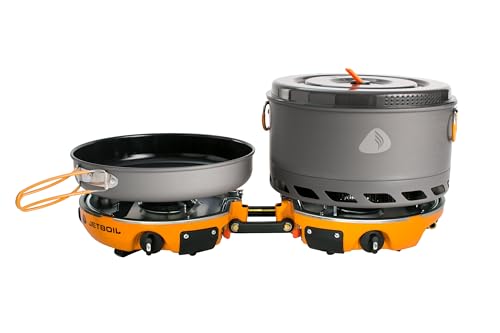 | Best Basecamp Stove | Fuel Type: Propane | Burner Count: Two-burner | Ignition: Manual ignition | VIEW LATEST PRICE | Read Our Analysis |
| Jetboil MightyMo Ultralight and Compact Camping and Backpacking Stove |  | Best Ultralight Stove | Fuel Type: Isobutane/propane | Burner Count: Single-burner | Ignition: Pushbutton igniter | VIEW LATEST PRICE | Read Our Analysis |
| Camp Chef Everest 2X 2-Burner Portable Camping Stove 40,000 BTUs Propane |  | Best High-Output Stove | Fuel Type: Propane | Burner Count: Two-burner | Ignition: Matchless instant-start | VIEW LATEST PRICE | Read Our Analysis |
| Jetboil Flash Portable Fast Boil Camping Stove |  | Fastest Boil | Fuel Type: Propane/isobutane | Burner Count: Single-burner | Ignition: Auto ignition | VIEW LATEST PRICE | Read Our Analysis |
| Kuvik Titanium Wood Stove for Backpacking and Camping |  | Best Wood Stove | Fuel Type: Wood | Burner Count: Single-burner | Ignition: Manual lighting | VIEW LATEST PRICE | Read Our Analysis |
| CAMPINGMOON Portable Canister Top Stove (XD-2F) |  | Best Canister Stove | Fuel Type: Canister gas | Burner Count: Single-burner | Ignition: Manual ignition | VIEW LATEST PRICE | Read Our Analysis |
| Portable Isobutane Camping Stove with Gas Adapter |  | Best Dual-Fuel Stove | Fuel Type: Isobutane/propane, propane adapter | Burner Count: Single-burner | Ignition: Manual ignition | VIEW LATEST PRICE | Read Our Analysis |
| MSR XGK-EX Multi-Fuel Mountaineering Expedition Stove |  | Best Expedition Stove | Fuel Type: Multi-fuel liquid | Burner Count: Single-burner | Ignition: Manual lighting | VIEW LATEST PRICE | Read Our Analysis |
More Details on Our Top Picks
Jetboil Genesis Camping Stove Cooking System
The Jetboil Genesis Camping Stove Cooking System is a strong pick should you want a trail-ready stove that still feels like a real camp kitchen. You get a two-burner setup, a 5 L FluxRing pot, and a 10-inch nonstick fry pan, so you can cook for more than just yourself. Each burner pushes 10,000 BTUs and can simmer or boil fast. It’ll even work down to 20°F. The burners fold into the pot, which helps you pack it neatly. It runs on propane, and the carry bag makes trips easier.
- Fuel Type:Propane
- Burner Count:Two-burner
- Ignition:Manual ignition
- Weight:9.1 lb
- Packability:Nesting design
- Material:Aluminum
- Additional Feature:Dual-burner system
- Additional Feature:Nesting cook system
- Additional Feature:JetLink compatible
Jetboil MightyMo Ultralight and Compact Camping and Backpacking Stove
Jetboil MightyMo Ultralight and Compact Camping and Backpacking Stove stands out for hikers who could wish real cooking control without carrying a bulky setup. You get a tiny 3.36-ounce stove that still boils water in about 3 minutes and burns fuel efficiently. The four-turn regulator lets you simmer sauce or crank up heat fast, so your trail meals feel less like chores. Its open platform fits Jetboil cookware, and the pushbutton igniter helps you start cooking quickly, even in cold weather. With stable regulated output, you can trust it on windy mornings.
- Fuel Type:Isobutane/propane
- Burner Count:Single-burner
- Ignition:Pushbutton igniter
- Weight:3.36 oz
- Packability:Compact and ultralight
- Material:Aluminum
- Additional Feature:Four-turn regulator
- Additional Feature:Open platform design
- Additional Feature:Pushbutton igniter
Camp Chef Everest 2X 2-Burner Portable Camping Stove 40,000 BTUs Propane
Built for campers who want serious cooking power without giving up portability, the Camp Chef Everest 2X gives you a strong, easy-to-control setup that makes trail meals feel a lot less like a compromise. You get 40,000 BTUs from two 20,000 BTU burners, so water boils fast and dinner keeps moving. The instant-start ignition saves you from fumbling with matches, and the precise knobs help you simmer or sear with confidence. Plus, the folding lid and windscreen steady the flame, while the 215 square inch surface fits two pans, and the drip tray makes cleanup easy.
- Fuel Type:Propane
- Burner Count:Two-burner
- Ignition:Matchless instant-start
- Weight:Not listed
- Packability:Compact carry handle
- Material:Not listed
- Additional Feature:40,000 BTU output
- Additional Feature:Folding lid windscreen
- Additional Feature:Removable drip tray
Jetboil Flash Portable Fast Boil Camping Stove
Fast boils and easy packing make the Jetboil Flash a strong pick should you want hot water without the wait on a hiking trip. You get a 1.0L cookpot, burner, lid, and cup that all nest inside the pot, so your pack stays neat. The turn-and-click igniter lights fast, and the thermochromatic indicator helps you see once water’s ready. Its cozy holds heat well, while cool-touch grips and a three-point lock add confidence. At 0.82 pounds, it’s light, compact, and built for quick camp meals.
- Fuel Type:Propane/isobutane
- Burner Count:Single-burner
- Ignition:Auto ignition
- Weight:0.82 lb
- Packability:Packs into cookpot
- Material:Aluminum
- Additional Feature:Thermochromatic heat indicator
- Additional Feature:Three-point locking system
- Additional Feature:Color-coded grip zones
Kuvik Titanium Wood Stove for Backpacking and Camping
Should you want a stove that won’t weigh you down on the trail, the Kuvik Titanium Wood Stove is a smart pick for backpackers and campers who count every ounce. You get a 6.8-ounce titanium stove that folds to a slim 6.25 x 5 x 0.2 inches, so it slips into your pack with ease. Once you set it up, the tabs and slots form a steady fire pit, and the rack handles different pots well. Since it burns twigs, grass, bark, and other campsite scraps, you skip fuel canisters and keep your load light.
- Fuel Type:Wood
- Burner Count:Single-burner
- Ignition:Manual lighting
- Weight:6.8 oz
- Packability:Ultra-thin foldable
- Material:Grade-1 titanium
- Additional Feature:Titanium wood-burning
- Additional Feature:Soot-free carrying case
- Additional Feature:Tab-and-slot assembly
CAMPINGMOON Portable Canister Top Stove (XD-2F)
The CAMPINGMOON Portable Canister Top Stove XD-2F is a smart pick should you want a tiny stove that still feels steady and dependable on the trail. You get a 3.2 oz frame that folds down fast, then slips into its canvas bag without fuss. Its internal regulator helps keep gas flow smooth, so your pot stays more stable while you cook. With 3.3 kW output, it gives you solid heat and runs about 1.4 hours on an 8 oz canister. It also handles winter and wind well, but it won’t fit heat exchanger cookers.
- Fuel Type:Canister gas
- Burner Count:Single-burner
- Ignition:Manual ignition
- Weight:3.2 oz
- Packability:Foldable and compact
- Material:Not listed
- Additional Feature:Internal pressure regulator
- Additional Feature:Foldable pot supports
- Additional Feature:Windy-condition ready
Portable Isobutane Camping Stove with Gas Adapter
RANDDER’s Portable Isobutane Camping Stove with Gas Adapter is a smart pick should you want a tiny stove that still feels dependable on the trail. You get 10,000 BTU of heat, so your water boils fast and your meals cook evenly. Because it accepts isobutane and propane, you can match your fuel to the trip. The stainless steel body feels sturdy, yet it weighs only 3.2 ounces. Also, the 6.7-inch base helps steady coffee pots and pans. The flame adjustor gives you control, and the zippered bag keeps everything ready for your next hike.
- Fuel Type:Isobutane/propane, propane adapter
- Burner Count:Single-burner
- Ignition:Manual ignition
- Weight:3.2 oz
- Packability:Compact carry bag
- Material:Stainless steel
- Additional Feature:Dual-fuel adapter
- Additional Feature:16 oz propane adapter
- Additional Feature:Stable 6.7-inch base
MSR XGK-EX Multi-Fuel Mountaineering Expedition Stove
Built for hikers and climbers who need serious heat in harsh weather, the MSR XGK-EX Multi-Fuel Mountaineering Expedition Stove stands out whenever your trip demands more than a basic trail burner. You get a proven design trusted for over 35 years, and it still earns its place on demanding expeditions. It burns many liquid fuels, so you can travel with more confidence. Then, Shaker Jet cleaning helps keep it running with a quick shake. It boils 1 liter in 2.8 minutes, packs small, supports larger pots, and stays easy to field maintain.
- Fuel Type:Multi-fuel liquid
- Burner Count:Single-burner
- Ignition:Manual lighting
- Weight:Not listed
- Packability:Retractable legs
- Material:Not listed
- Additional Feature:Shaker Jet cleaning
- Additional Feature:Flexible fuel line
- Additional Feature:Retractable legs
Factors to Consider When Choosing a Stove For Hiking
Whenever you choose a hiking stove, start with the fuel type that fits your trip, since canister, liquid fuel, and solid fuel setups each work best in different conditions. You’ll also want to balance weight and packability with boil time, because a stove that’s light but slow can still test your patience after a long day on the trail. After that look at wind resistance, stability, and cookware fit, since those details can make the difference between a smooth camp meal and a frustrating one.
Fuel Type Options
Choosing the right fuel can make your hike feel smooth instead of frustrating, because each stove type handles heat, weight, and weather a little differently. Canister stoves give you easy ignition and steady output, but cold air can weaken pressure. Liquid-fuel stoves work better in freezing weather, and you can refill them for long trips, though they need priming and upkeep. Should you like simple gear, alcohol stoves burn quietly and cleanly, but they heat water more slowly. Wood stoves let you skip fuel canisters, yet you must find dry twigs and manage smoke. For extra flexibility, dual-fuel stoves help whenever your trip changes plans. You’ll feel more confident whenever your stove matches the season, your route, and the fuel you can actually get.
Weight And Packability
A light stove can make your whole hike feel easier, so start looking at the full weight you’ll carry, not just the stove itself. For multi-day trips, aim for a stove plus fuel weight under 12 to 16 ounces, because that leaves room for food and water. Next, check how small it packs. In case it folds to about 5 across 5 across 2 inches or less, it saves real space in your pack. Also, count every piece you must bring, like canisters, bottles, stabilizers, and cookware matches. Then favor low-profile pot supports and detachable parts, since they tuck into cookpots more neatly. For ultralight trips, keep the whole setup under 8 ounces and unless extra accessories.
Boil Time Efficiency
Boil time matters more than many hikers expect, because it affects how fast you can drink hot coffee, make dinner, and get out of the cold. Whenever you choose a stove, look at its boil time for 1 liter of water. Fast stoves often take 2 to 4 minutes, while weak ones can take 5 minutes or more. Higher heat output usually helps, so a stove near 3,000 watts or 10,000 BTU per burner will feel quicker. You’ll also do better with a pot that transfers heat well, since it can cut boil time and fuel use. In the event you hike in cold air or at altitude, choose a regulated stove so performance stays steady when conditions get tougher.
Wind Resistance
Whenever the wind picks up, your stove can lose a lot of heat fast, and that can turn a simple meal into a slow, frustrating wait. You want a stove that fights back with higher output and a low, enclosed flame, so gusts don’t steal as much heat. A built-in regulator also helps because it keeps the flame steady when pressure drops. Should you add a windscreen or tuck the stove behind a natural windbreak, you can cut fuel use and shorten boil times. Just leave room for airflow so heat doesn’t build up too much. In rough weather, those small design choices can make your cook feel calm instead of chaotic, and that matters whenever you’re tired and hungry.
Stability And Cookware
Even on a calm trail, stove stability can make or break your meal, especially whenever you’re tired, cold, and trying not to spill dinner into the dirt. You should pick a stove with a wide, low base or fold-out legs so it sits firmly on rough ground. Then match the pot supports and burner size to your cookware, because a small stove can wobble under a full 5 liter pot or a heavy pan. Should you cook in breezy spots, use a windscreen and a solid pot connection so the setup stays steady. For tall or narrow pots, choose locking notches or recessed rings. Also, a low center of gravity helps whenever you stir, sauté, or move the pot without drama.
Temperature Performance
Cold weather can change a stove’s behavior fast, so you need to check how it performs before you trust it on a real trip. Look at the stove’s cold-weather rating initially. Many canister models start to fade below 20°F, while liquid-fuel and regulated stoves keep pushing heat longer. That matters whenever you’re tired, hungry, and just want water to boil. Also, choose fuel wisely. Isobutane and propane blends do better than pure butane, and white gas, kerosene, or diesel stay dependable in deep cold. Next, check ignition. Piezo switches can fail whenever they’re wet or frozen, so carry a lighter or matches. Finally, compare boil times and power ratings at low temperatures. Numbers tell you what the stove can really do.
Frequently Asked Questions
How Do I Safely Use a Stove Above 10,000 Feet?
Set the stove on level, wind protected ground, use clean fuel, keep the area well aired, and run the flame low. At high elevation, the burner may burn unevenly, so check it before cooking, do not use it inside a tent, and keep water close at hand.
Which Stove Works Best in Freezing Winter Conditions?
A liquid fuel stove is usually the best choice in freezing weather because you can pressurize it and it keeps working reliably in cold conditions. Canister stoves often lose performance unless you use winter fuel blends and keep the canister warm.
How Much Fuel Should I Pack for a Three-Day Hike?
For simple meals and hot drinks, pack 1 to 2 ounces of fuel each day. Bring more if temperatures are low, wind is strong, or cooking takes longer than expected. For a three day hike, a total of 4 to 8 ounces is usually enough.
Can I Use My Stove Inside a Tent Vestibule?
No, you should not use your stove inside a tent vestibule because fumes, flames, and nearby fabric can create serious danger. Cook outside or in a well ventilated shelter, and keep plenty of space, care, and attention to safety.
What Maintenance Does a Hiking Stove Need After Trips?
After each trip, wipe away soot, empty any remaining fuel, inspect the seals, clean the burner, dry every part, and look for damage. Keep the stove in a dry case to reduce corrosion and help it light reliably on the next outing.