

A wide sleeping pad gives side sleepers room for hips and shoulders, so rest feels easier. It also helps star gazers stretch out without hanging off the edge.
Thicker pads add comfort and keep pressure points in check. The best ones stay supportive, warm, and a good fit for your setup.
| Therm-a-Rest MondoKing 3D Self-Inflating Camping Sleeping Pad |  | Best Overall | Size: XX-Large, 80 x 30 x 4.25 in | Thickness: 4.25 in | Portability: Roll-up | VIEW LATEST PRICE | Read Our Analysis |
| CYMULA 3 Inch Memory Foam Camping Pad |  | Best Memory Foam | Size: 72 x 24 x 3 in | Thickness: 3 in | Portability: Roll-up | VIEW LATEST PRICE | Read Our Analysis |
| Thick Camping Sleeping Pad for Adults and Travel | 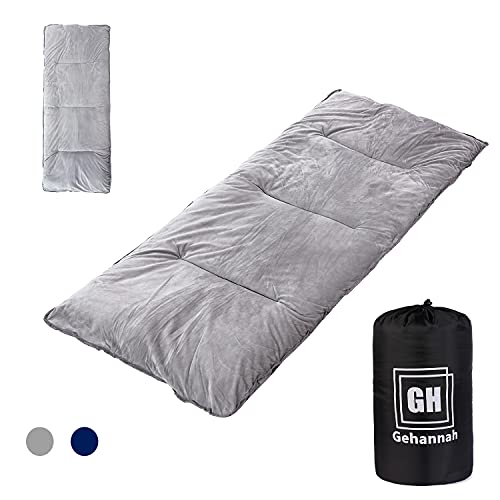 | Most Portable | Size: 75 x 29 x 2.5 in | Thickness: 2.5 in | Portability: Foldable | VIEW LATEST PRICE | Read Our Analysis |
| Car Air Mattress with Air Pump and Pillows |  | Best for Cars | Size: 69 x 30 x 6 in | Thickness: 6 in | Portability: Foldable | VIEW LATEST PRICE | Read Our Analysis |
| 6th Generation Japanese Floor Futon Mattress |  | Best Futon | Size: Twin, 80 x 39 x 3–3.5 in | Thickness: 3–3.5 in | Portability: Foldable/rollable | VIEW LATEST PRICE | Read Our Analysis |
| OGERY Double Sleeping Pad with Built-in Foot Pump |  | Best for Couples | Size: Double size, 2-person pad | Thickness: 6 in | Portability: Foldable | VIEW LATEST PRICE | Read Our Analysis |
More Details on Our Top Picks
Therm-a-Rest MondoKing 3D Self-Inflating Camping Sleeping Pad
In case you’re a side sleeper who wants maximum space and serious cushioning, the Therm-a-Rest MondoKing 3D is a standout choice. You get an XX-Large 80 x 30 x 4.25-inch pad with vertical sidewalls that maximize usable surface, plus stretch knit fabric for added comfort. The StrataCore foam-and-air design balances warmth and packability, while the 7.0 R-value handles extreme conditions. Inflate it with your breath or the included pump sack, then let it fully loft for 2–4 hours. TwinLock valves make setup easy, and the PFAS-free sack keeps packing simple.
- Size:XX-Large, 80 x 30 x 4.25 in
- Thickness:4.25 in
- Portability:Roll-up
- Inflation:Self-inflating
- Material:Stretch knit/foam
- Use Case:Camping
- Additional Feature:7.0 R-value insulation
- Additional Feature:TwinLock valve system
- Additional Feature:Vertical sidewalls
CYMULA 3 Inch Memory Foam Camping Pad
The CYMULA 3 Inch Memory Foam Camping Pad stands out for side sleepers who need a wider, cushioned surface that still packs down easily. You get 72 across 24 inches of support from carbon-fiber memory foam over a high-density base, so your hips and shoulders sink in less. The breathable, removable cover washes after muddy trips, and the waterproof bottom helps on damp ground. Rubberized dots and built-in straps keep it steady on cots or floors. At 6.4 pounds, you can roll it up for camping, travel, guest use, or lounging.
- Size:72 x 24 x 3 in
- Thickness:3 in
- Portability:Roll-up
- Inflation:No pump
- Material:Memory foam
- Use Case:Camping/cots
- Additional Feature:Machine-washable cover
- Additional Feature:Waterproof anti-slip bottom
- Additional Feature:Built-in securing straps
Thick Camping Sleeping Pad for Adults and Travel
Side sleepers and campers who want extra cushioning will appreciate the Thick Camping Sleeping Pad, a soft microfiber cot pad built for adults who need more comfort on the trail or in the car. You get a 75 x 29 x 2.5-inch mat with a skin-friendly velvet shell and soft hollow padding for plush support. It weighs 1.5 kilograms, folds into the included carry bag in about 3 minutes, and secures to folding cots with four wide-angle sleeves and elastic bands. Use it for camping, hiking, backpacking, or travel; it’s dry-clean only and not water resistant.
- Size:75 x 29 x 2.5 in
- Thickness:2.5 in
- Portability:Foldable
- Inflation:No pump
- Material:Velvet/padding
- Use Case:Camping/travel
- Additional Feature:Velvet shell fabric
- Additional Feature:Four wide-angle sleeves
- Additional Feature:48-hour shape recovery
Car Air Mattress with Air Pump and Pillows
Should you want a car mattress that feels more stable and roomy on the road, the DikaSun Car Air Mattress with Air Pump and Pillows is a strong pick for side sleepers who travel with a partner, child, or pet. You get a 69 x 30 x 6-inch back seat bed with two pillows, two piers, and a 12V pump for quick setup. Its thick flocking and PVC build feel firm, while the anti-drop barrier helps protect kids and pets. It fits most SUVs, trucks, and cars, folds into a carry bag, and supports up to 600 pounds.
- Size:69 x 30 x 6 in
- Thickness:6 in
- Portability:Foldable
- Inflation:Electric pump
- Material:Flocking/PVC
- Use Case:Car camping
- Additional Feature:Includes car pump
- Additional Feature:Anti-drop front barrier
- Additional Feature:600-pound capacity
6th Generation Japanese Floor Futon Mattress
In case you want a floor futon that gives side sleepers more room to settle in, the 6th Generation Japanese Floor Futon Mattress stands out with its extra-thick 9-layer build and medium-firm support. You get a 39 x 80-inch twin pad with high-density foam, cotton, and polyester fiber for steady pressure relief and back support. Its quilted lattice stitching helps keep the surface smooth and durable. You can fold or roll it for dorms, guests, or travel, and it fits tatami or any floor. Let it expand fully before use for best comfort and shape.
- Size:Twin, 80 x 39 x 3–3.5 in
- Thickness:3–3.5 in
- Portability:Foldable/rollable
- Inflation:No pump
- Material:Cotton/foam/polyester
- Use Case:Floor sleeping
- Additional Feature:Nine-layer construction
- Additional Feature:Three-dimensional lattice stitching
- Additional Feature:Medium-firm support
OGERY Double Sleeping Pad with Built-in Foot Pump
The OGERY Double Sleeping Pad with Built-in Foot Pump is a strong pick should you want a wide, bed-like surface that won’t sag under you, especially whenever you sleep on your side. Its 6-inch thickness and tubular air belt columns spread your weight evenly, while the two-person layout gives you room to stretch out with a partner. You’ll appreciate the soft 50D polyester, waterproof TPU coating, and quieter feel. The built-in foot pump inflates it in minutes, and the dual valves make setup and pack-up easy. It’s light, compact, and ready for camping, travel, or car sleeping.
- Size:Double size, 2-person pad
- Thickness:6 in
- Portability:Foldable
- Inflation:Built-in foot pump
- Material:50D polyester/TPU
- Use Case:Camping/travel
- Additional Feature:Built-in foot pump
- Additional Feature:Tubular air belt columns
- Additional Feature:Dual air valves
Factors to Consider When Choosing Wide Sleeping Pads
Whenever you choose a wide sleeping pad, check the width and length initially so you can sleep comfortably without slipping off. You should also look at thickness, support, and insulation to match your body and the conditions you’ll face. Finally, consider weight, packability, and how easy it is to inflate and set up so the pad fits your trip.
Pad Width And Length
A little extra length can make a big difference: choose a sleeping pad that’s at least 6–10 inches longer than your height so your feet don’t hang off the end, with most adult pads falling around 72–80+ inches. For width, aim for 30–40 inches when you sleep on your side or toss and turn, because extra room lets you stay centered and cuts down on edge roll-off. Check your tent or cot before you buy; your pad should fit with a few inches of clearance on each side. In the event you share a pad, look for 48 inches or more, or use two pads that give you enough combined space. Keep pack size and weight in mind, too, since bigger pads take up more room in your pack.
Thickness And Support
Thickness matters as much as width for side sleepers, because a pad with 4–6+ inches of cushioning can do a much better job relieving pressure on your hips and shoulders than a thinner 2–3 inch model. You’ll also notice that extra depth helps prevent bottoming out on uneven ground, especially should you be heavier or sleep on your side all night. Look for thicker builds or tubular column designs whenever you desire firm, even support across the pad. Keep in mind that more thickness usually means more weight and packed bulk, so you’ll need to weigh comfort against portability. Very soft, tall pads can feel less stable when you get in and out, while structured, multi-zone designs give you a steadier sleep surface.
Insulation For Conditions
Dial in the pad’s R-value for the conditions you expect: around R1–2 for warm summer trips, R3–4 for three-season camping, and R6–7+ for cold or winter use. You’ll get better warmth instead of matching that number to ground temperatures than instead of chasing thickness alone. Thicker pads can help, but R-value tells you how well the pad resists heat loss. In the event you camp in cold weather, choose closed-cell foam or a foam/air hybrid so you keep some insulation even should the pad leak. For wide pads, make sure insulation stays consistent across the whole sleeping surface, especially near the edges, so you don’t feel cold spots. You can also enhance warmth by adding a foam underpad or partially inflating a layer inside your bag.
Weight And Packability
Should you’re choosing a wide sleeping pad, you’ll want to balance comfort against how much weight and space it adds to your pack. Wider, thicker pads often feel great for side sleeping, but they can push your load into the 3–6+ pound range. That’s fine for car camping, but on backpacking trips you’ll notice every extra ounce. Check packed size, too: foam or bulky air pads might roll up large, while inflatable models can shrink to about a water bottle or small stuff sack. A pad that packs to 10–14 inches long sits differently in your pack than one that compresses to 6–8 inches. For multi-day trekking, aim for the best comfort-to-weight ratio, ideally under 2–3 pounds, and factor in accessories, too.
Inflation And Setup
Once you’ve weighed comfort against weight and packed size, also look at how easy a wide sleeping pad is to inflate and set up. You’ll save time should you choose a pad with a built-in foot pump or an included pump sack; both can get a wide pad ready in minutes, while mouth inflation usually takes longer and feels less clean. Check the valve layout too: dual one-way valves or separate inflate and deflate ports reduce backflow and speed both setup and takedown. In the event you pick a self-inflating pad, give it 2–4 hours to fully expand before you rely on it. Also, try it at home initially so you can judge firmness, noise, and whether any accessories fit your carry system.
Materials And Durability
While you’re comparing wide sleeping pads, materials matter as much as dimensions. You’ll want high-denier face fabric, like 50D to 75D polyester or nylon, because it resists abrasion and punctures better. TPU or PVC coatings add another barrier against rough ground and moisture. Inside, foam cores give you steady support and strong durability, while air chambers with foam inserts trim bulk without sacrificing comfort. Pay close attention to seams, welds, and valves; reinforced sidewalls and sturdy housings help prevent leaks and failure. A textured top, waterproof coating, or anti-slip bottom can also extend pad life. Heavier, thicker builds usually last longer, but they’ll add weight, so match toughness to how often and where you’ll use it.
Frequently Asked Questions
How Do Wide Sleeping Pads Affect Tent Floor Fit?
Wide sleeping pads can take up most of your tent floor, limiting space to move and store gear. Measure your tent carefully so you do not end up with a cramped setup.
Are Wide Sleeping Pads Compatible With Backpacking Tents?
Yes, wide sleeping pads can fit in many backpacking tents, but you should check the tent floor width, taper, and pole shape first. Expect less room for gear and movement, but more sleeping comfort.
Can Two Wide Pads Be Connected for Couples?
Like puzzle pieces, two wide pads can be joined if they have matching designs or straps. You will sleep side by side, though a seam may still be noticeable unless you choose a true double pad.
How Easy Are These Pads to Clean and Dry?
You can wipe these pads with a damp cloth and mild soap, then let them air-dry. If you wipe them down after each trip, they will dry faster, though thicker foam still takes longer.
Do Wide Sleeping Pads Work Well in Hammocks?
Yes, wide sleeping pads can work in hammocks, but they often resist the hammock’s curved shape. You may need to trim excess bulk or place the pad carefully, since a thick pad can feel like a rigid barrier to a comfortable lay.